
Minpaku (民泊) Investment Guide: Short-Term Rental Property in Japan for Foreign Investors
Key Takeaways
- Minpaku (民泊) short-term rentals operate under three legal pathways: the Housing Accommodation Business Act (180-day annual cap), special zones (特区民泊), and a full ryokan/hotel licence.
- The 180-day cap under the standard minpaku licence is the single biggest constraint on revenue — model your returns against it, not against full-year occupancy.
- Many condominium bylaws (管理規約) prohibit minpaku outright, so check the building rules before purchasing.
- Location drives returns: tourist-adjacent and transport-accessible properties perform very differently from ordinary residential areas.
- Foreign investors still need a tax representative (納税管理人), local operational support, and correct tax treatment of rental income.
Japan's tourism industry has been booming, with visitor numbers reaching record highs in recent years. For foreign investors, minpaku (民泊) — Japan's regulated short-term rental market — presents an attractive opportunity to generate rental income from Japanese property. But the regulatory landscape is complex, and investing without understanding the rules can be costly.
What Is Minpaku?
Minpaku literally means "private lodging" and refers to the practice of renting out residential property to guests on a short-term basis — similar to Airbnb or Booking.com listings. In Japan, minpaku is governed by specific legislation that sets it apart from the relatively unregulated vacation rental markets in other countries.
Before 2018, short-term rentals operated in a legal gray area. The introduction of the 民泊新法 (Minpaku Shinhō) — officially the Private Lodging Business Act (住宅宿泊事業法) — established a nationwide framework for legal short-term rentals.
The Three Legal Pathways
There are three ways to legally operate a short-term rental in Japan, each with different requirements and limitations:
1. Minpaku Shinhō Registration (住宅宿泊事業法)
- Maximum 180 nights per year — the most significant limitation
- Requires notification (届出) to the local government, not a full license
- Available nationwide, but many municipalities impose additional restrictions (e.g., weekday-only bans, specific zone restrictions)
- The property must be a "residence" — it must have kitchen, bathroom, and toilet facilities
- A property management company (住宅宿泊管理業者) must be appointed if the host does not live on-site
2. Ryokan (旅館業法) License — Simple Lodging
- No night limit — can operate 365 days per year
- Requires a full license from the local health authority (保健所)
- Must meet building code, fire safety, and hygiene standards
- Typically requires commercial zoning or specific district designations
- More complex and expensive to obtain, but far more profitable for high-demand areas
3. National Strategic Special Zone (国家戦略特区)
- Available only in designated special economic zones (e.g., parts of Tokyo, Osaka, Kitakyushu)
- Minimum stay of 2–3 nights (varies by zone)
- Requires approval from the local government
- Fewer restrictions than ryokan licensing but limited geographic availability
Location Analysis: Where to Invest
Location is the most critical factor in minpaku investment. Key considerations include:
High-Demand Areas
- Tokyo — Shinjuku, Shibuya, Taito (Asakusa), and Minato wards consistently see high tourist demand. However, Shinjuku has strict minpaku restrictions (weekday operation banned under the Shinhō).
- Osaka — Namba, Shinsaibashi, and the Tennoji area. Osaka has been more permissive than Tokyo with special zone regulations.
- Kyoto — Extremely high demand but very strict local regulations. Some areas ban minpaku entirely.
- Fukuoka — Growing tourism hub with relatively favorable regulations.
- Niseko / Hakuba — Ski resort areas with strong seasonal demand from international visitors.
Regulatory Environment
Always check the specific municipal regulations before purchasing. Some cities and wards impose:
- Complete bans in residential zones
- Seasonal restrictions (e.g., no operation during school terms)
- Minimum distance requirements from schools or hospitals
- Mandatory neighborhood notification requirements
Revenue Potential
Revenue varies dramatically based on location, property type, and operating model:
| Factor | Shinhō (180 nights) | Ryokan License (365 nights) |
|---|---|---|
| Avg. nightly rate (Tokyo) | ¥10,000–¥25,000 | ¥10,000–¥25,000 |
| Annual occupancy | Up to 180 nights | 60–85% (220–310 nights) |
| Gross annual revenue | ¥1,200,000–¥3,600,000 | ¥2,200,000–¥7,750,000 |
| Management fees | 15–25% of revenue | 15–25% of revenue |
These are illustrative ranges. Actual performance depends on property quality, marketing, seasonality, and market conditions.
Key Risks for Foreign Investors
1. Regulatory Risk
Municipal regulations can change. A property that is currently eligible for minpaku operation may face new restrictions in the future. Kyoto, for example, has progressively tightened rules over the past several years.
2. Management Complexity
As a non-resident, you cannot manage a minpaku property directly. You must appoint a licensed management company (住宅宿泊管理業者) to handle guest check-in, cleaning, key exchange, and compliance reporting. This adds 15–25% to your operating costs.
3. Building Rules
Many condominium management associations (管理組合) explicitly prohibit minpaku in their building rules (管理規約). Even if local law permits short-term rentals, the building rules take precedence. Always verify with the management association before purchasing.
4. Tax Obligations
Rental income from minpaku is subject to Japanese income tax. As a non-resident, you will need a tax representative (納税管理人) and must file annual tax returns. Additionally, consumption tax (消費税) may apply if revenue exceeds ¥10 million annually.
5. Financing Difficulty
Japanese banks rarely provide mortgages to non-residents for investment properties. Most foreign investors purchase with cash or use financing from their home country.
The Buying Process for Foreign Investors
- Property research — Identify target areas, verify minpaku eligibility, and analyze revenue potential
- Due diligence — Check building rules, zoning, fire safety compliance, and neighborhood restrictions
- Purchase — Work with a licensed real estate agent (宅地建物取引士). Foreign nationals can buy property in Japan with no restrictions on ownership
- Permit application — Submit the appropriate notification or license application
- Property setup — Furnish, photograph, and list the property on booking platforms
- Ongoing management — Appoint a management company and tax representative
How Japan YES Can Help
Japan YES Property Management offers vacation rental property research (民泊物件リサーチ) for investors exploring the minpaku market. Our licensed 宅地建物取引士 (real estate transaction specialist) conducts end-to-end research on your behalf — identifying high-yield locations, verifying permit eligibility, and analyzing occupancy and revenue potential.
Once you have purchased a property, we provide ongoing support as your tax representative, mail management service, and local liaison — so you can manage your investment from anywhere in the world. And if your property needs work before it can welcome guests, we coordinate local contractors and renovation projects for minpaku conversion — learn more in our FAQ.
View our plans or contact us for a free consultation about minpaku investment in Japan.
Frequently Asked Questions
What is minpaku (民泊) in Japan?
Minpaku (民泊) means 'private lodging' — the practice of renting residential property to guests on a short-term basis. Since 2018, it is regulated by the Minpaku Shinhō (Private Lodging Business Act, 住宅宿泊事業法), which allows operation up to 180 nights per year under a notification system.
How many nights per year can I rent out under Japan's Minpaku Shinhō?
The Minpaku Shinhō (住宅宿泊事業法) limits operation to a maximum of 180 nights per year. To operate 365 days per year, you need a full ryokan license (旅館業法) or operate within a national strategic special zone (国家戦略特区).
Can foreign nationals operate minpaku properties in Japan?
Foreign nationals can own and rent out minpaku properties in Japan, but as a non-resident you cannot manage the property directly — you must appoint a licensed management company (住宅宿泊管理業者). You also need a tax representative (納税管理人) for annual tax obligations.
What is the difference between minpaku and a ryokan license in Japan?
Minpaku (住宅宿泊事業法) allows up to 180 nights per year through a simple notification process. A ryokan license (旅館業法 — simple lodging category) has no night limit but requires a full health authority license, meeting fire safety and building standards, and is typically restricted to commercial zones.
About the author
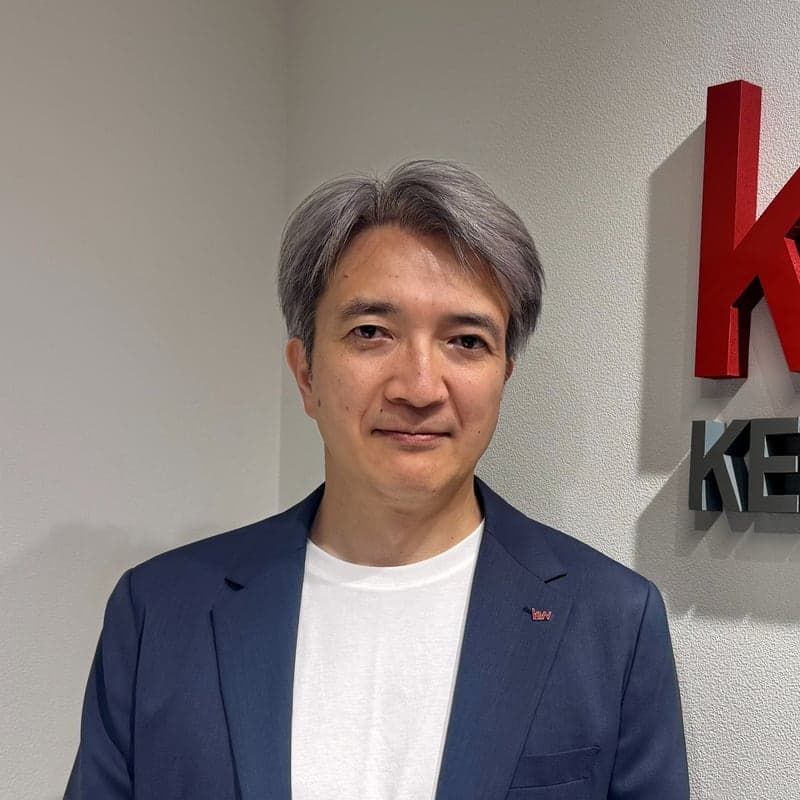
Yuichi Suzuki(鈴木 裕一)
Founder, Japan YES Property Management · Licensed 宅地建物取引士 (Saitama No. 087841) · Keller Williams Saitama agent
Yuichi helps overseas owners run their Japanese property from abroad — tax representative filings, mail scanning and translation, bill payments and coordination with local companies, in English and Chinese.
Company overviewPurchased Japanese Property from Overseas? Let Us Handle the Management.
Japan YES specializes in remote property management — tax representation (納税管理人), mail scanning & translation, utility payments, and local coordination.
Japan YES Property Management
Managing Japanese property from abroad?
Let us handle it — tax representative registration, mail digitization, and local coordination, all managed remotely.
Free plan available · No credit card required
More Articles
Akiya (空き家) Properties in Japan: Opportunity or Risk for Foreign Buyers? [2026 Update]
Japan now has 9 million vacant houses — and a wave of new rules for their owners. The 2026 guide to buying an akiya: the 6× property tax trap, mandatory inheritance registration, Kyoto's new vacant-home tax, realistic renovation costs, and how to manage one from overseas.
InvestmentWhere to Buy an Akiya in Japan: How Regions Differ for Foreign Buyers
The same ¥3 million budget buys a completely different problem depending on where you buy. How akiya differ across remote rural areas, regional cities, Kyoto, the big-city fringe, and resort towns — in price, contractor availability, rules, and whether you can ever sell it again.
Property Management5 Risks of Leaving Your Japanese Property Unmanaged
Leaving a Japanese property unattended can lead to tax penalties, legal issues, and significant financial loss. Here are the 5 biggest risks every overseas owner should know.
Mail ManagementJapan Mail Forwarding for Non-Residents: What You Need to Know
Japan Post's forwarding service (転送届) does not forward mail overseas and expires after a year — so what do you do with property tax notices and utility bills? How Japanese mail forwarding actually works for non-residents, and the digitization alternative.