
Buying Property in Japan as a Foreign National: Documents, Process & What to Expect
Key Takeaways
- Foreign nationals can buy property in Japan with no residency or visa requirement, and ownership rights are the same as for Japanese nationals.
- You generally need identification, proof of address, and a signature certificate (署名証明) or affidavit if you have no Japanese residence registration.
- Budget roughly 6–10% of the purchase price for acquisition costs: registration tax, real estate acquisition tax, stamp duty, agent commission, and judicial scrivener fees.
- Financing is the main hurdle — most Japanese banks require residency or a Japanese income source, so overseas buyers often purchase in cash.
- Ownership obligations start immediately: annual property tax, a tax representative (納税管理人) if you are non-resident, and a Japan-based contact for official mail.
Japan is one of the few developed countries with no restrictions on foreign property ownership. Any individual or corporation, regardless of nationality or residency status, can purchase land and buildings in Japan. This openness, combined with a weak yen and a mature real estate market, has attracted significant foreign buyer interest in recent years. But buying is just the beginning — ongoing compliance obligations start from day one.
Can Foreigners Really Buy Property in Japan?
Yes — with almost no restrictions. Foreign nationals can purchase:
- Residential properties (apartments, houses, land)
- Commercial real estate (offices, retail, warehouses)
- Agricultural land (subject to local agricultural committee approval, but rarely denied)
- Forest land
There is no requirement to have a Japanese visa, residency status, or bank account to purchase property. However, one exception applies: since the 2022 Economic Security Promotion Act, purchases of land near designated national security facilities require advance notification to the government. For most residential and investment purchases, this rarely applies.
Required Documents for Foreign Buyers
The documentation requirements for foreign buyers are more complex than for Japanese residents, because the standard identification documents used in Japan (マイナンバーカード, 印鑑証明書) may not be available to you.
For Individual Buyers
- Passport — primary identification
- Signature certificate (サイン証明書) — issued by your home country's embassy or consulate in Japan; replaces the Japanese 印鑑証明書 (personal seal certificate) for foreign nationals
- Proof of address — a utility bill, bank statement, or official document from your home country showing your current address
- Tax Identification Number — your home country's equivalent (e.g., SSN in the US, UTR in the UK); required for tax reporting purposes
- Source of funds documentation — banks and notaries may request proof that purchase funds are from legitimate sources (bank statements, investment account records)
For Corporate Buyers
- Company registration documents (equivalent of 登記事項証明書 from your jurisdiction)
- Articles of incorporation
- Board resolution authorizing the purchase
- Representative's passport and signature certificate
The Purchase Process: Step by Step
1. Property Search and Selection
Work with a licensed real estate agent (宅地建物取引士 or 不動産業者). Major platforms like SUUMO, At Home, and REINS-affiliated agents list most properties. For foreign buyers, finding an agent with English capability and experience with overseas buyers is strongly recommended.
2. Due Diligence
Before signing anything, your agent must provide a 重要事項説明書 (Property Disclosure Statement) — a detailed legal and factual summary of the property. This covers zoning, building restrictions, legal encumbrances, earthquake risk ratings, and any defects.
For older buildings, consider commissioning a structural inspection (住宅診断). For condominiums, review the management association's financial records and repair history.
3. Purchase Agreement
The 売買契約書 (Purchase and Sale Agreement) is signed by both parties. At this stage, you typically pay a deposit (手付金) of 5–10% of the purchase price. The contract sets the completion date and detailed terms.
4. Payment and Title Transfer
On the closing date, the balance of the purchase price is paid — typically by wire transfer directly to the seller. At the same moment, a judicial scrivener (司法書士) registers the title transfer (所有権移転登記) at the Legal Affairs Bureau (法務局). Japan has no escrow system; payment and title transfer happen simultaneously.
5. FEFTA Reporting
If your transaction crosses the resident / non-resident boundary, a FEFTA report under Article 55-3 may be required within 20 days of acquisition. Discuss this with your agent or legal advisor before closing.
Taxes and Fees at Purchase
| Cost | Approximate Amount |
|---|---|
| Real estate agent commission | 3% of price + ¥60,000 + tax (statutory cap) |
| Registration tax (登録免許税) | 0.4%–2% of assessed value |
| Real estate acquisition tax (不動産取得税) | 3%–4% of assessed value (one-time) |
| Stamp duty (印紙税) | ¥5,000–¥60,000 depending on price |
| Judicial scrivener fee | ¥100,000–¥300,000 |
| Building inspection (optional) | ¥50,000–¥100,000 |
Total acquisition costs typically range from 6–10% of the purchase price.
What Happens After You Buy
The moment you become an owner, ongoing obligations begin:
- Annual property tax (固定資産税) — assessed every year, regardless of occupancy or rental status. See the full guide to property taxes for non-residents.
- Tax representative (納税管理人) — legally required for non-residents. Without one, tax notices go unanswered and penalties accrue. Learn more about the role.
- Mail management — all government and municipal correspondence arrives by physical mail at the property address. How to manage Japanese mail from overseas.
- Domestic contact address (国内連絡先) — required for condominium owners under the 2026 Building Unit Ownership Act revision. See the domestic manager guide.
Financing: A Common Challenge for Foreign Buyers
Japanese banks rarely provide mortgages to non-residents for investment properties. Most foreign buyers either purchase with cash, use financing from their home country (secured against other assets), or work with the small number of Japanese lenders who specialize in non-resident buyers (primarily in Tokyo).
If you are purchasing with overseas funds, ensure you can document the wire transfer clearly — your conveyancing attorney and, if applicable, your FEFTA filing will require it.
How Japan YES Supports New Owners
Japan YES Property Management is designed specifically for foreign nationals who own — or are considering buying — property in Japan. From the moment you close, we handle your tax representation, mail digitization, and property liaison in English. Our licensed real estate specialist (宅地建物取引士) can also advise during the due diligence and purchase process.
View our plans starting from ¥66,000/year (incl. tax), or contact us with any questions about buying and owning property in Japan.
Frequently Asked Questions
Can foreigners buy property in Japan?
Yes. Japan imposes no ownership restrictions on foreign nationals — any individual or corporation can purchase land and buildings regardless of nationality or residency status. No Japanese visa, residency, or bank account is required to complete a purchase.
What documents do foreign nationals need to buy property in Japan?
Foreign individual buyers typically need: a valid passport, a signature certificate (サイン証明書) from their home country's embassy in Japan (replaces the Japanese 印鑑証明書), proof of overseas address, their home country tax identification number, and source of funds documentation for larger transactions.
What taxes and fees are due when buying property in Japan?
Typical acquisition costs are 6–10% of the purchase price and include: real estate agent commission (3% + ¥60,000 + tax), registration tax (0.4–2% of assessed value), real estate acquisition tax (3–4% of assessed value, one-time), stamp duty (¥5,000–¥60,000), and judicial scrivener fees (¥100,000–¥300,000).
What obligations start the moment a foreign national buys Japanese property?
Immediately after purchase: annual property tax (固定資産税) begins accruing; a tax representative (納税管理人) must be appointed if you live abroad; all government mail arrives at the Japanese property address and must be managed; and for condominiums, a domestic manager (国内管理人) may be required under the 2026 law revision.
Can foreign nationals get a mortgage to buy Japanese property?
Japanese banks rarely provide mortgages to non-residents for investment properties. Most foreign buyers purchase with cash, use financing from their home country (secured against other assets), or work with the small number of Japanese lenders who serve non-residents, primarily in Tokyo.
Sources
This article is based on official Japanese government information.
About the author
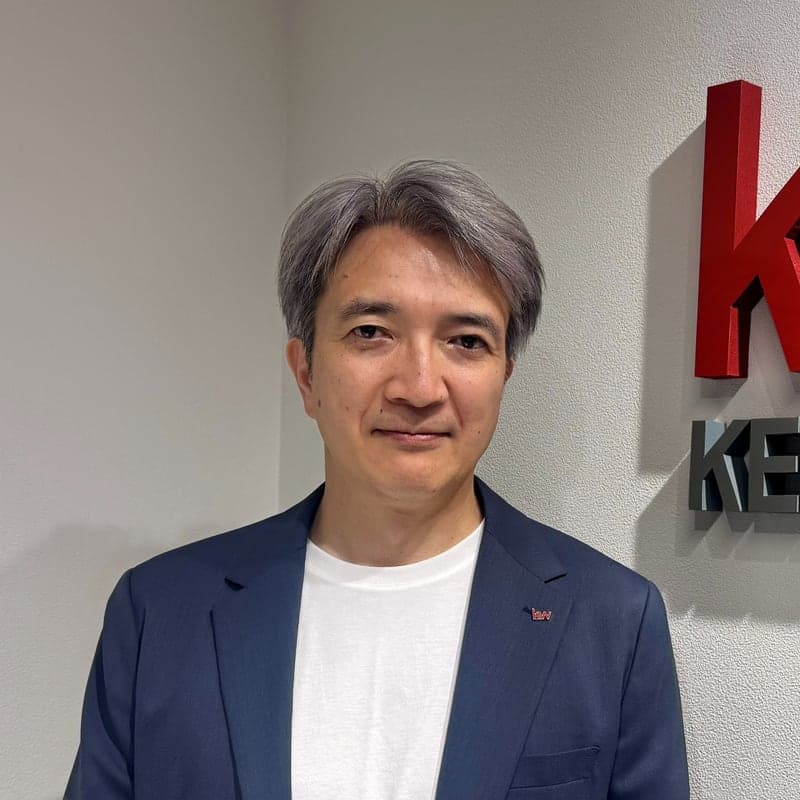
Yuichi Suzuki(鈴木 裕一)
Founder, Japan YES Property Management · Licensed 宅地建物取引士 (Saitama No. 087841) · Keller Williams Saitama agent
Yuichi helps overseas owners run their Japanese property from abroad — tax representative filings, mail scanning and translation, bill payments and coordination with local companies, in English and Chinese.
Company overviewPurchased Japanese Property from Overseas? Let Us Handle the Management.
Japan YES specializes in remote property management — tax representation (納税管理人), mail scanning & translation, utility payments, and local coordination.
Before you buy
Thinking about buying an akiya? Get the pre-purchase checklist.
The 10 checks that decide whether a ¥500,000 house becomes a ¥9 million one — written by a licensed Japanese real estate agent (宅地建物取引士). Free, no account needed.
More Articles
Kyoto's Empty Home Tax: Who Pays, How Much, and When It Really Starts
Japan's first tax on empty homes targets vacant houses and second homes in Kyoto City. English and Japanese sources keep giving the wrong start date — here is what the city itself says, and what it means for an overseas owner.
Buying PropertyWhat a Japanese Home Inspection Actually Checks — and What It Misses
Every guide tells overseas buyers to inspect a Japanese house before buying. Almost none explain what the standard survey covers, what it leaves out, and what you have to ask for separately.