
Selling a Property in Japan from Overseas: 4 Ways to Handle the Sale Remotely
Key Takeaways
- Non-residents can freely sell Japanese property; the practical challenge is not ownership but how documents get signed and registered from abroad.
- Because non-residents usually have no registered seal (実印/印鑑登録), they sign with a signature affidavit (署名証明 / サイン証明) issued by a notary or a Japanese embassy/consulate.
- The four realistic routes are: fly to Japan and sign in person, grant power of attorney (委任状), sell via a licensed agent with mail-based signing, or use a full-service specialist.
- A judicial scrivener (司法書士) handles the title transfer registration (所有権移転登記), and if the sale price exceeds ¥100 million the buyer withholds 10.21% at source.
- Whichever route you choose, a tax representative (納税管理人) is required to file the post-sale tax return (確定申告), due March 15 of the following year.
Owning Japanese property from abroad is one thing; selling it from abroad is another. Foreign and non-resident owners can sell freely — there is no ownership restriction — but the sale involves signing Japanese-language contracts and registering the title transfer, and you can't be at the table if you live overseas. The real question is how the paperwork gets signed and who acts for you.
This guide compares the four realistic ways to handle a remote sale. It covers the logistics of selling from abroad; for the tax side (rates, withholding, treaties), see our companion guide on capital gains tax for non-resident sellers.
The One Thing Every Remote Seller Needs: A Way to Sign
In Japan, property transactions are normally sealed with a registered personal seal (実印) plus a seal certificate (印鑑証明書). Non-residents usually don't have these. Instead, you sign with a signature affidavit / certificate (署名証明・サイン証明) — a document confirming your signature, issued by a notary public in your country or by a Japanese embassy/consulate abroad. This is the single most important logistical item, and it takes time to arrange, so start early.
The title transfer itself — 所有権移転登記 at the Legal Affairs Bureau (法務局) — is carried out by a judicial scrivener (司法書士), who checks the documents and files the registration. Every route below still uses a scrivener; what differs is who signs and how the documents travel.
Option 1: Fly to Japan and Sign in Person
The traditional route: you travel to Japan for the contract signing (売買契約) and again (or on the same trip) for the closing and handover.
- How it works: you attend in person, sign, and hand over documents directly.
- Best for: sellers who were planning to visit anyway, or high-value sales where being present gives peace of mind.
- Effort & cost: flights, accommodation, and timing your trip to the buyer's schedule — which is hard to control in a negotiation.
- Key risk: Japanese deals often move on short notice; coordinating international travel around a moving closing date is the main pain point.
Option 2: Grant Power of Attorney (委任状) to a Trusted Person
You authorise a Japan-based individual — often a family member or friend — to sign on your behalf via a power of attorney (委任状), supported by your signature affidavit.
- How it works: your representative attends the signing and closing and acts for you within the scope of the power of attorney.
- Best for: sellers with a reliable, available person in Japan who understands the transaction.
- Effort & cost: low cash cost, but you are relying on one individual to handle a significant legal and financial event correctly.
- Key risk: the representative must be trustworthy and genuinely available on the closing date; mistakes or miscommunication fall on you. They also receive sale-related mail in Japanese and must act on it.
Option 3: Sell Through a Licensed Agent with Mail-Based Signing
A licensed real estate agent (宅地建物取引士) markets the property and manages the transaction, and the documents are exchanged by international courier so you can sign abroad.
- How it works: the agent handles listing, negotiation, and the contract; you sign the contract and registration documents abroad (with your signature affidavit) and courier them back; the judicial scrivener completes the registration.
- Best for: most standard remote sales where you want a professional running the process but don't need broader support.
- Effort & cost: agent commission in Japan is capped by law — for sales over ¥4,000,000, the maximum is 3% of the price + ¥60,000, plus consumption tax. Courier time adds a few days per exchange.
- Key risk: if the agent's English support is limited, you may still struggle with tax filing, mail, and the withholding process after the sale.
Option 4: Full-Service Specialist (Agent + Tax Representative + Mail)
An end-to-end route where one provider coordinates the agent, the post-sale tax filing, and all the document and mail handling that a sale generates.
- How it works: a licensed agent markets and negotiates; a tax representative (納税管理人) receives correspondence and files your post-sale return; every document and letter is scanned, translated, and explained to you in English.
- Best for: non-residents who want a single accountable point of contact and minimal Japanese-language burden.
- Effort & cost: the highest service level, but the lowest personal effort — you approve decisions in English and sign abroad.
- Key risk: you pay for the coordination; complex tax positions still need a licensed tax accountant (税理士), whom a good specialist will bring in.
Side-by-Side Comparison
| Route | Who signs | Your effort | Cost | Key risk |
|---|---|---|---|---|
| Fly to Japan | You, in person | High (travel) | Flights & lodging | Timing travel to a moving closing date |
| Power of attorney | Your representative | Low | Minimal cash | Relying on one individual |
| Agent + mail signing | You, from abroad | Medium | Agent commission (max 3% + ¥60,000 + tax) | Limited English / no tax support after sale |
| Full-service specialist | You, from abroad | Lowest | Highest service fee | Complex tax still needs a 税理士 |
Don't Forget: Withholding and the Tax Return
Two things apply regardless of which route you choose:
- Withholding at source: if the sale price exceeds ¥100 million, the buyer must withhold 10.21% of the price and remit it to the tax office; you reconcile it later through your return.
- The post-sale tax return (確定申告): non-resident sellers must file by March 15 of the year after the sale, and a tax representative (納税管理人) is required to handle it. Compare your options for appointing one in our guide to the five ways to appoint a tax representative.
The exact tax you owe depends on how long you held the property and any applicable treaty — those mechanics are covered in the capital gains tax guide.
How Japan YES Helps Overseas Sellers
Japan YES supports non-resident owners through the entire ownership lifecycle — including the exit. A licensed real estate agent (宅地建物取引士) can advise on and market the sale, our 納税管理人 service ensures your post-sale return is filed on time, and every document and letter is scanned, translated, and explained to you in English. View our plans or book a free consultation to discuss selling from abroad.
This article is general information, not tax or legal advice. Japan YES is a property-management and real-estate service, not a licensed tax accountant (税理士) or law firm — please confirm your specific situation with a qualified professional before acting.
Frequently Asked Questions
Can a non-resident sell property in Japan without coming to Japan?
Yes. There is no requirement to be a resident, and you do not have to be physically present. You can sell remotely by granting a power of attorney (委任状) to a representative, or by signing the contract and registration documents abroad with a signature affidavit (署名証明) and returning them by courier. A judicial scrivener (司法書士) completes the title transfer registration.
How does a non-resident sign Japanese property documents without a registered seal?
Non-residents usually have no registered personal seal (実印) or seal certificate (印鑑証明). Instead, you use a signature affidavit or certificate (署名証明・サイン証明) issued by a notary public in your country or by a Japanese embassy or consulate. This proves your signature and substitutes for the seal in the transaction and registration.
How much is the real estate agent commission when selling property in Japan?
For sales over ¥4,000,000, Japanese law caps the brokerage commission (仲介手数料) at 3% of the sale price plus ¥60,000, plus consumption tax. This is the legal maximum an agent can charge for the transaction.
Is tax withheld when a non-resident sells Japanese property?
If the sale price exceeds ¥100 million, the buyer must withhold 10.21% of the price at source and remit it to the tax office as a prepayment; you reconcile it through your tax return. A tax representative (納税管理人) is required to file the post-sale return (確定申告), which is due by March 15 of the year after the sale.
Do I still need a tax representative if I'm selling and leaving Japan entirely?
Yes. Even at exit, a non-resident seller must file a Japanese tax return for the sale, and a tax representative (納税管理人) is legally required to handle it. The representative also receives sale-related correspondence from the tax office on your behalf.
Sources
This article is based on official Japanese government information.
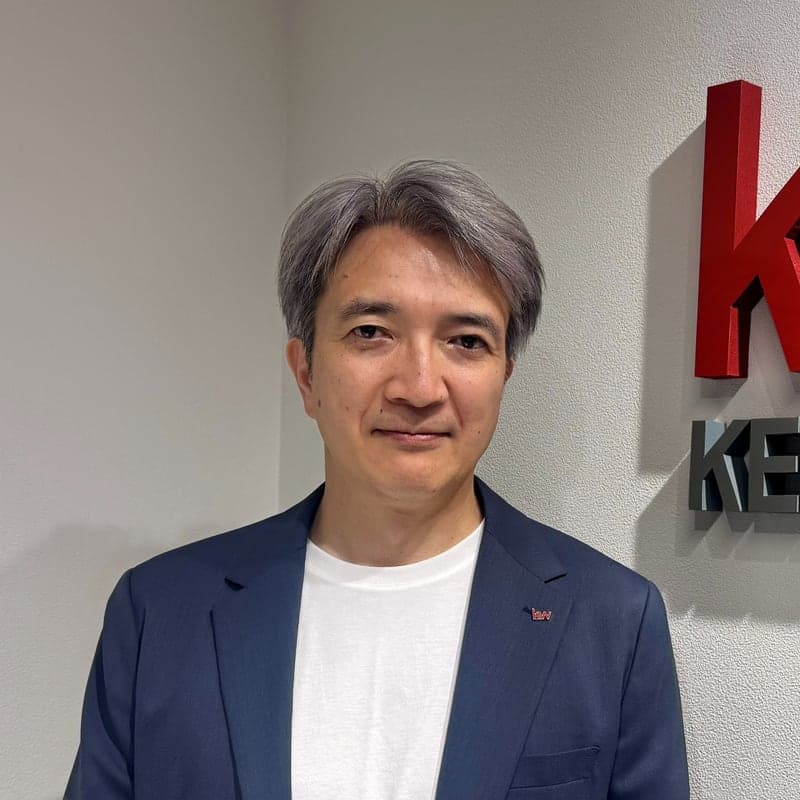
About the author
Yuichi Suzuki(鈴木 裕一)
Founder, Japan YES Property Management · Licensed 宅地建物取引士 (Saitama No. 087841) · Keller Williams Saitama agent
Yuichi helps overseas owners run their Japanese property from abroad — tax representative filings, mail scanning and translation, bill payments and coordination with local companies, in English and Chinese.
Company overviewPurchased Japanese Property from Overseas? Let Us Handle the Management.
Japan YES specializes in remote property management — tax representation (納税管理人), mail scanning & translation, utility payments, and local coordination.
Japan YES Property Management
Managing Japanese property from abroad?
Let us handle it — tax representative registration, mail digitization, and local coordination, all managed remotely.
Free plan available · No credit card required
More Articles
Kyoto's Empty Home Tax: Who Pays, How Much, and When It Really Starts
Japan's first tax on empty homes targets vacant houses and second homes in Kyoto City. English and Japanese sources keep giving the wrong start date — here is what the city itself says, and what it means for an overseas owner.
Buying PropertyWhat a Japanese Home Inspection Actually Checks — and What It Misses
Every guide tells overseas buyers to inspect a Japanese house before buying. Almost none explain what the standard survey covers, what it leaves out, and what you have to ask for separately.