
Japan Inheritance Tax for Foreign Nationals: What Overseas Owners Must Know
Key Takeaways
- Japanese inheritance tax rates reach up to 55%, among the highest in the world, and Japanese-situs property is taxable regardless of where the heir lives.
- The basic exclusion is ¥30 million plus ¥6 million per statutory heir — anything above that is taxed on a progressive scale.
- The filing and payment deadline is 10 months from the date of death; late filing incurs penalties and interest.
- Real estate is valued by roadside land price (路線価) for land and fixed asset tax value for buildings, not by market price.
- Since April 2024 inheritance registration (相続登記) is mandatory within 3 years (fine up to ¥100,000); pre-2024 inheritances must be registered by March 31, 2027.
Japan's inheritance tax (相続税) is one of the highest in the world, with rates reaching 55% on large estates. For foreign nationals who own Japanese real estate — or whose family members do — understanding how Japanese inheritance tax works is essential. Getting it wrong can result in a tax bill that exceeds the value of the assets inherited.
Who Is Subject to Japanese Inheritance Tax?
Whether you are subject to Japanese inheritance tax depends on two factors: the location of the assets and the domicile of the deceased and the heirs.
Japanese Property Is Always Taxed in Japan
If you inherit real estate located in Japan, that property is always subject to Japanese inheritance tax — regardless of where you live or what nationality you hold. This rule has been in place since at least 2018, when Japan closed the overseas trust loophole that had allowed some high-net-worth families to structure around it.
This means: even if you are a foreign national living outside Japan and have never set foot there, inheriting a Japanese property triggers a Japanese inheritance tax filing obligation.
Overseas Assets
Whether overseas assets (bank accounts, securities, foreign real estate) are subject to Japanese inheritance tax depends on whether the deceased was domiciled in Japan. For most overseas property owners who have lived abroad for many years, this is unlikely to apply — but the rules are complex enough to warrant professional advice in any specific case.
How the Tax Is Calculated
Step 1: Basic Exemption (基礎控除)
The first amount subtracted from the taxable estate is the basic exemption:
Basic Exemption = ¥30,000,000 + (¥6,000,000 × Number of statutory heirs)
For example, if the deceased left one property worth ¥50,000,000 and has two heirs (a spouse and one child), the basic exemption is ¥30,000,000 + (¥6,000,000 × 2) = ¥42,000,000. Only the remaining ¥8,000,000 is taxable.
Step 2: Tax Rates
| Taxable Amount per Heir | Tax Rate | Deduction |
|---|---|---|
| Up to ¥10,000,000 | 10% | — |
| ¥10,000,001 – ¥30,000,000 | 15% | ¥500,000 |
| ¥30,000,001 – ¥50,000,000 | 20% | ¥2,000,000 |
| ¥50,000,001 – ¥100,000,000 | 30% | ¥7,000,000 |
| ¥100,000,001 – ¥200,000,000 | 40% | ¥17,000,000 |
| ¥200,000,001 – ¥300,000,000 | 45% | ¥27,000,000 |
| ¥300,000,001 – ¥600,000,000 | 50% | ¥42,000,000 |
| Over ¥600,000,000 | 55% | ¥72,000,000 |
Key Deductions and Exemptions
- Spouse exemption (配偶者控除) — A surviving spouse pays no inheritance tax on amounts up to ¥160,000,000 or their legal share of the estate, whichever is greater. This is one of the most significant tax benefits in Japanese inheritance law.
- Minor child deduction — Minor heirs receive a deduction of ¥100,000 per year until age 18.
- Residential land small business exemption (小規模宅地等の特例) — The assessed value of certain residential or business land used by the deceased can be reduced by up to 80% for inheritance tax purposes. Eligibility rules are complex but the benefit can be enormous for urban property owners.
How Is the Property Valued?
Japanese inheritance tax uses a specific valuation method called 路線価 (rosenka) — the assessed value per square meter of road frontage. This value is typically 60–80% of market value, which provides some natural cushion. However, for properties in prime locations (central Tokyo, for example), even the rosenka-based value can be very high.
Buildings are valued separately based on the 固定資産税評価額 (fixed asset assessed value) — typically 50–70% of replacement cost for older structures.
Filing Deadlines: 10 Months
The Japanese inheritance tax return must be filed and the tax paid within 10 months from the date of the deceased's death. This deadline applies even if the estate has not been fully divided among heirs, and even if you are still in the process of gathering documents.
Missing this deadline triggers late payment surcharges. Extensions are possible but must be applied for in advance.
Practical Steps When a Family Member Passes Away
- Determine what Japanese assets exist — property, bank accounts, securities, business interests
- Identify all statutory heirs — under Japanese law, the order of inheritance is: spouse, children, parents, siblings. Even distant heirs may have rights.
- Appoint a tax representative — if heirs live abroad, a Japanese tax representative (納税管理人) is required to receive tax notices and act on behalf of non-resident heirs
- Obtain a Japanese tax accountant (税理士) — inheritance tax returns are highly complex and almost always require professional preparation
- Gather valuation documents — rosenka maps, fixed asset tax notices, registration documents
- File the return and pay within 10 months
Double Taxation: Can You Claim a Credit?
Japan has inheritance tax treaties with only a handful of countries — notably the United States, United Kingdom, and France. Under these treaties, tax paid in Japan may be credited against inheritance or estate tax owed in your home country.
For countries without a treaty, double taxation is a real risk: the same inherited property may be taxed in both Japan and your home country. The rules differ significantly by jurisdiction. Always seek advice from a professional familiar with both countries' tax systems.
Planning Ahead
If you own Japanese property and are concerned about inheritance tax exposure for your heirs, there are legitimate planning strategies available — including lifetime gifting (生前贈与), life insurance (which has separate inheritance tax treatment), and trust structures. These must be implemented while you are alive and must comply with Japanese law.
How Japan YES Can Help
Japan YES Property Management can connect you with qualified Japanese tax accountants (税理士) who specialize in international inheritance cases, and can serve as your tax representative throughout the estate administration process. We receive and translate all official correspondence, coordinate with your advisors, and ensure nothing falls through the cracks during what is always a difficult time.
Contact us to discuss your situation, or view our plans.
Frequently Asked Questions
Do foreign nationals pay inheritance tax in Japan when inheriting Japanese property?
Yes. Japanese real estate is always subject to Japanese inheritance tax regardless of where the heirs live or their nationality. Even a foreign national living outside Japan who has never visited must file a Japanese inheritance tax return if they inherit Japanese real estate.
What is Japan's inheritance tax rate?
Japan's inheritance tax has progressive rates from 10% to 55% on large estates. The rate depends on each heir's taxable share after the basic exemption (¥30,000,000 + ¥6,000,000 × number of statutory heirs). Japan's top inheritance tax rate of 55% is among the highest in the world.
What is the basic exemption for Japanese inheritance tax?
The basic exemption (基礎控除) is: ¥30,000,000 + (¥6,000,000 × number of statutory heirs). For example, an estate left to a spouse and two children has a basic exemption of ¥30,000,000 + (¥6,000,000 × 3) = ¥48,000,000. Only the amount above this threshold is taxable.
What is the deadline for filing Japanese inheritance tax?
The inheritance tax return must be filed and the tax paid within 10 months from the date of the deceased's death. This deadline applies even if the estate has not been fully divided. Missing it triggers late payment surcharges.
Can inheriting a Japanese property result in double taxation?
Yes, potentially. Japan has inheritance tax treaties with only a few countries (US, UK, France). Without a treaty, the same inherited Japanese property may be taxed in both Japan and your home country. Professional advice from a tax specialist familiar with both jurisdictions is essential.
Sources
This article is based on official Japanese government information.
About the author
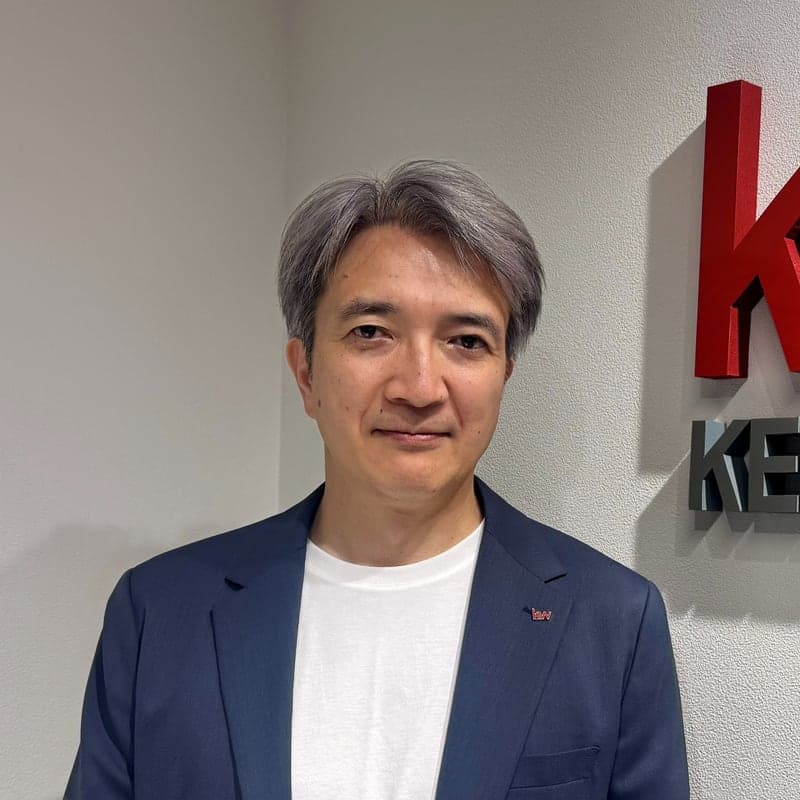
Yuichi Suzuki(鈴木 裕一)
Founder, Japan YES Property Management · Licensed 宅地建物取引士 (Saitama No. 087841) · Keller Williams Saitama agent
Yuichi helps overseas owners run their Japanese property from abroad — tax representative filings, mail scanning and translation, bill payments and coordination with local companies, in English and Chinese.
Company overviewPurchased Japanese Property from Overseas? Let Us Handle the Management.
Japan YES specializes in remote property management — tax representation (納税管理人), mail scanning & translation, utility payments, and local coordination.
Japan YES Property Management
Managing Japanese property from abroad?
Let us handle it — tax representative registration, mail digitization, and local coordination, all managed remotely.
Free plan available · No credit card required
More Articles
Kyoto's Empty Home Tax: Who Pays, How Much, and When It Really Starts
Japan's first tax on empty homes targets vacant houses and second homes in Kyoto City. English and Japanese sources keep giving the wrong start date — here is what the city itself says, and what it means for an overseas owner.
Buying PropertyWhat a Japanese Home Inspection Actually Checks — and What It Misses
Every guide tells overseas buyers to inspect a Japanese house before buying. Almost none explain what the standard survey covers, what it leaves out, and what you have to ask for separately.