
How to Manage Japanese Property from Overseas: A Complete Guide
Key Takeaways
- Non-resident owners must pay fixed asset tax and city planning tax annually and appoint a tax representative (納税管理人).
- Japanese government agencies and utilities communicate only by physical mail, in Japanese — a mail scanning service prevents missed deadlines.
- Keep minimum utility contracts and insurance active even when the property is empty.
- Rental income earned by non-residents is subject to Japanese income tax and withholding rules.
- Regular inspections and a local liaison stop small problems (leaks, typhoon damage) from becoming expensive ones.
Owning property in Japan while living abroad comes with unique challenges. From tax compliance to receiving government mail, there are several responsibilities that cannot simply be ignored. This guide covers everything you need to know to manage your Japanese property remotely.
1. Tax Compliance: The Non-Negotiable
As a non-resident property owner, you must:
- Pay fixed asset tax (固定資産税) and city planning tax (都市計画税) annually
- Appoint a tax representative (納税管理人) to receive and pay tax notices
- File income tax returns if you earn rental income from the property
Failure to comply can result in penalties, interest charges, and potentially property seizure. Learn more about tax representatives.
2. Mail Management
Japanese government agencies and utility companies communicate exclusively by physical mail. As an overseas owner, you need a reliable way to:
- Receive mail at your Japanese property address
- Have documents scanned and translated
- Respond to time-sensitive notices (tax deadlines, insurance renewals, etc.)
A mail digitization service ensures nothing falls through the cracks, no matter what time zone you are in.
3. Utility and Service Management
Even if your property is unoccupied, you may need to maintain:
- Electricity and water (minimum contracts to prevent pipe freezing)
- Internet service (for smart home devices or security cameras)
- Insurance (fire, earthquake, liability)
Setting up and managing these services remotely can be challenging, especially when providers require Japanese phone numbers and in-person verification. Many Japanese providers also only accept domestic bank transfers — our FAQ explains how bills can be paid on your behalf without a Japanese bank account.
4. Property Maintenance
Regular maintenance prevents small issues from becoming expensive problems:
- Annual or seasonal inspections
- Coordinating with management companies (管理会社) for condominiums
- Handling emergency repairs (water leaks, typhoon damage)
The All-in-One Solution
Japan YES Property Management combines tax representation, mail digitization, and property liaison into a single platform accessible from anywhere in the world — with bilingual coordination in English and Japanese at every step. See our plans starting from ¥66,000/year (incl. tax).
Frequently Asked Questions
Do I need a tax representative if I own Japanese property but live abroad?
Yes. Japan's Local Tax Act requires non-resident property owners to appoint a tax representative (納税管理人). Without one, property tax notices cannot reach you, taxes go unpaid, and penalties accumulate — eventually leading to potential property seizure.
How do I pay Japanese property tax from overseas?
A tax representative in Japan receives your tax notices and can pay on your behalf using a Japanese bank account. Japan YES handles all property tax payments as part of every paid plan, billing you for the amounts paid.
Can I manage Japanese property remotely without visiting Japan?
Yes. A property management service like Japan YES handles tax representation, mail scanning and translation, utility management, and property liaison entirely remotely. Everything is accessible through an English-language online dashboard.
What ongoing obligations do non-resident property owners have in Japan?
Non-resident owners must: (1) appoint a tax representative, (2) pay annual fixed asset tax and city planning tax, (3) maintain the property to avoid akiya designation, and (4) have a contact address in Japan for government mail. For condominiums, a domestic manager may also be required.
Sources
This article is based on official Japanese government information.
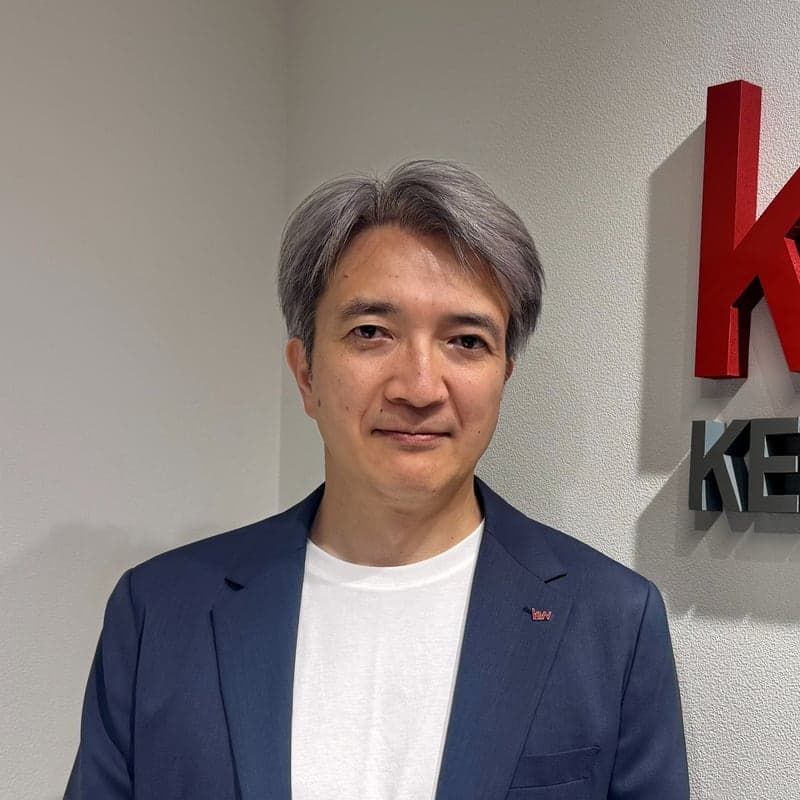
About the author
Yuichi Suzuki(鈴木 裕一)
Founder, Japan YES Property Management · Licensed 宅地建物取引士 (Saitama No. 087841) · Keller Williams Saitama agent
Yuichi helps overseas owners run their Japanese property from abroad — tax representative filings, mail scanning and translation, bill payments and coordination with local companies, in English and Chinese.
Company overviewPurchased Japanese Property from Overseas? Let Us Handle the Management.
Japan YES specializes in remote property management — tax representation (納税管理人), mail scanning & translation, utility payments, and local coordination.
Japan YES Property Management
Managing Japanese property from abroad?
Let us handle it — tax representative registration, mail digitization, and local coordination, all managed remotely.
Free plan available · No credit card required
More Articles
Leaving Your Japanese House Empty for Months: The Checklist Nobody Gives You
You close the door, fly home, and come back six months later. What you find depends almost entirely on ten minutes of work before you left. The things that actually go wrong in an empty Japanese house — and the order to deal with them.
Property ManagementUtilities in a Japanese Second Home: Leave Them On, or Shut Them Off?
Shutting everything off looks like the responsible choice and is usually the expensive one. How electricity, water and gas actually behave in an empty Japanese house, and a simple rule based on how often you visit.
Tax & ComplianceNon-Resident Property Tax Guide: Japan 2026
A comprehensive guide to property taxes in Japan for non-resident owners. Fixed asset tax, city planning tax, deadlines, and how to stay compliant from overseas.
Mail ManagementDoes Japan Have PO Boxes? What Overseas Property Owners Can Actually Use
Japan has post office boxes, but not the kind you can rent over the counter — and even if you got one, somebody in Japan would still have to empty it. What exists, what works for an owner living abroad, and why rural properties are the usual reason people go looking.