
How to Hire and Manage Japanese Contractors from Overseas
Key Takeaways
- Japanese contractors rarely operate in English, seldom accept international payments, and expect in-person meetings — which is what makes remote renovation hard.
- Define the scope in writing before contacting anyone; vague requests produce quotes that cannot be compared.
- Always obtain multiple written quotes (見積もり) with itemised costs rather than a single lump-sum figure.
- Agree a communication protocol up front: photo updates at milestones, weekly video walkthroughs, and written approval for any scope change.
- Never make the final payment until you have received and approved a full photo record — and use a property management company to pay domestically if you have no Japanese bank account.
Managing a renovation or repair project in Japan from abroad is one of the most challenging aspects of owning property as an overseas resident. Language barriers, time zone differences, payment complications, and the difficulty of verifying quality without being on-site all create real risks. This guide explains how to approach the process systematically — and how to protect yourself when things don't go as planned.
Why Remote Renovation Is Particularly Difficult in Japan
Renovation in Japan comes with a unique set of challenges that differ from most other markets:
- Language barrier — the vast majority of Japanese contractors do not communicate in English. Quotes, contracts, and progress updates are in Japanese only.
- Payment requirements — most contractors require payment via Japanese bank transfer (振込). International wire transfers are rarely accepted, and credit cards are uncommon for construction payments.
- Trust and relationship culture — Japanese business culture places high value on established relationships. Cold-calling contractors without a local referral often results in no response or low-priority treatment.
- Limited digital presence — many small and medium-sized construction firms in Japan have minimal online presence, making it hard to vet them remotely.
- On-site decision making — construction projects frequently require rapid decisions about unexpected discoveries (structural issues, hidden water damage, asbestos). Without a local representative, these decisions can be delayed for days.
Step 1: Define the Scope Clearly Before Engaging Anyone
Before contacting any contractor, prepare a detailed written description of the work you need done. Include:
- Property address and type (apartment, house, commercial)
- Year of construction and current condition (if known)
- Specific work required (e.g., "replace roof tiles," "renovate bathroom including plumbing," "repaint interior")
- Desired materials or finishes (where relevant)
- Target completion date
- Budget range (optional, but speeds up the process)
A clear brief in Japanese — prepared with translation assistance if needed — dramatically increases the quality of responses you receive.
Step 2: Finding Reliable Contractors
Through Your Property Management Service
The most reliable path is through a property management company with established contractor relationships. Contractors referred by a trusted management company have an incentive to perform well and are already known quantities. This is the approach Japan YES takes — our network includes vetted contractors across multiple trades in the areas where our clients own property.
Through the Condominium Management Company
If you own a condominium, your building's management company (管理会社) often maintains a list of approved contractors for interior renovations. These contractors are familiar with the building's specifications and the management association's rules.
Online Platforms
Several Japanese platforms connect property owners with contractors:
- Suumo リフォーム — large network, useful for getting multiple quotes
- ホームプロ (HomePro) — specialist renovation matching platform
- くらしのマーケット (Kurashi no Market) — for smaller jobs and individual tradespeople
These platforms are in Japanese, but a local representative can help navigate them on your behalf.
Step 3: Getting Accurate Quotes (見積もり)
Always get a minimum of three written quotes (見積書) for any significant project. This is standard practice in Japan and expected by contractors. When reviewing quotes, check for:
- Itemized breakdown — materials and labor should be listed separately
- Scope clearly defined — what is included and what is not
- Payment schedule — typically a deposit (手付金) upfront, progress payments, and a final payment on completion
- Warranty terms (保証) — reputable contractors provide a workmanship warranty, typically 1–2 years
- Waste disposal (廃材処分費) — confirm this is included; if not, it appears as a surprise charge at the end
Step 4: Managing the Project Remotely
Once work begins, establish a communication protocol before the contractor starts:
- Photo updates — request photos at agreed milestones (before, during, after each major stage)
- Video call — schedule at least one video walkthrough per week for major projects
- Local representative — have a trusted person visit the site at key stages: foundation work complete, structural work complete, pre-closing inspection
- Written approval for changes — any deviation from the original scope must be agreed in writing before proceeding
A critical principle: never make the final payment until you have received and approved a full photo record of the completed work. This is your primary leverage as a remote buyer.
Step 5: Payment Without a Japanese Bank Account
This is one of the most common pain points for overseas owners. Most Japanese contractors cannot accept international wire transfers or credit cards.
Practical solutions include:
- Pay through your property management company — they make payments in Japan on your behalf and bill you in a consolidated invoice. This is the simplest approach for most overseas owners.
- Japanese bank account — if you have a Japanese bank account (increasingly possible for non-residents at some banks), you can wire payments from abroad in yen.
- Trusted local representative — a family member or trusted contact in Japan can handle payments and be reimbursed via international transfer.
Japan YES handles contractor payments on behalf of clients as part of our property liaison service. This eliminates the banking problem entirely and gives contractors confidence that payment will arrive promptly. For details on how we coordinate payment and billing, see our FAQ on payment support.
Common Pitfalls to Avoid
- Paying the full amount upfront — never do this. A standard payment schedule is 30% deposit, 40% at midpoint, 30% on completion.
- Skipping the final inspection — always inspect or have someone inspect before making the final payment.
- Ignoring asbestos risk — buildings constructed before 1990 may contain asbestos (アスベスト). Renovation work that disturbs these materials requires licensed removal, which adds cost and time. Confirm asbestos status before demolition work begins.
- Condo rule violations — for condominium units, certain types of renovation require management association approval (管理組合の承認). Check the building rules (管理規約) before starting any structural or plumbing work.
- Underestimating timing — Japanese construction timelines are generally reliable, but material shortages and permit requirements can add weeks. Build buffer into any project deadline that affects rental start dates or sale closing dates.
How Japan YES Supports Renovation Projects
Japan YES Property Management coordinates renovation and repair projects as part of our Spot Services — research, contractor sourcing, on-site liaison, quality inspection, and payment processing in Japan. Whether you need a minor repair or a full renovation, we handle the end-to-end process in English so you stay informed without needing to manage contractors in Japanese.
View our plans or contact us to discuss your renovation project.
Frequently Asked Questions
How do I hire Japanese contractors from overseas?
The most reliable path is through a local property management company with established contractor relationships. Alternatively, platforms like ホームプロ (HomePro) and Suumo リフォーム aggregate renovation contractors. Cold-contacting unknown contractors without a local referral often results in no response in Japan's relationship-driven business culture.
Can I pay Japanese contractors without a Japanese bank account?
Most Japanese contractors require payment via domestic bank transfer (振込) and cannot accept international wires or credit cards. The practical solutions are: paying through a property management company that makes payments in Japan on your behalf, or using a trusted Japan-based representative to handle payments.
How do I manage a renovation project in Japan remotely?
Establish a clear communication protocol before work begins: request photo updates at each milestone, schedule weekly video calls for major projects, have a local representative visit at key stages, and require written approval for any scope changes. Never make the final payment until you have approved a full photo record of completed work.
What is the standard payment schedule for Japanese contractors?
The standard payment schedule for renovation work in Japan is typically: 30% deposit (手付金) upfront, 40% at project midpoint, and 30% final payment upon satisfactory completion. Never pay 100% upfront — your final payment is your leverage to ensure quality work.
What are common pitfalls when renovating Japanese property from overseas?
Common pitfalls include: paying the full amount upfront (avoid — use milestone payments), skipping the final inspection, ignoring asbestos risk in pre-1990 buildings, violating condominium association rules by renovating without approval, and underestimating timelines — Japanese projects are usually reliable but material shortages and permits can add weeks.
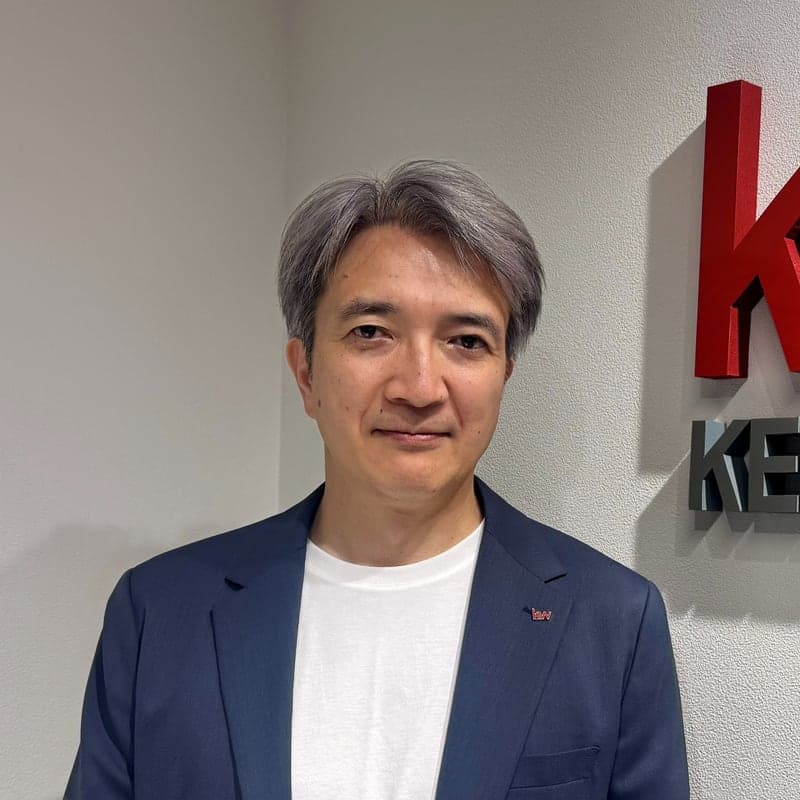
About the author
Yuichi Suzuki(鈴木 裕一)
Founder, Japan YES Property Management · Licensed 宅地建物取引士 (Saitama No. 087841) · Keller Williams Saitama agent
Yuichi helps overseas owners run their Japanese property from abroad — tax representative filings, mail scanning and translation, bill payments and coordination with local companies, in English and Chinese.
Company overviewPurchased Japanese Property from Overseas? Let Us Handle the Management.
Japan YES specializes in remote property management — tax representation (納税管理人), mail scanning & translation, utility payments, and local coordination.
Japan YES Property Management
Managing Japanese property from abroad?
Let us handle it — tax representative registration, mail digitization, and local coordination, all managed remotely.
Free plan available · No credit card required
More Articles
Kyoto's Empty Home Tax: Who Pays, How Much, and When It Really Starts
Japan's first tax on empty homes targets vacant houses and second homes in Kyoto City. English and Japanese sources keep giving the wrong start date — here is what the city itself says, and what it means for an overseas owner.
Buying PropertyWhat a Japanese Home Inspection Actually Checks — and What It Misses
Every guide tells overseas buyers to inspect a Japanese house before buying. Almost none explain what the standard survey covers, what it leaves out, and what you have to ask for separately.