
5 Risks of Leaving Your Japanese Property Unmanaged
Key Takeaways
- Unpaid property tax accrues late penalties of up to 14.6% per year and can ultimately lead to property seizure (差し押さえ).
- A neglected house can be designated 特定空家 or 管理不全空家, revoking the residential land tax reduction and raising fixed asset tax up to 6×.
- Condominium owners who miss management association notices can face unpaid fees, forced collection, and exclusion from major repair decisions.
- Japan's humidity and typhoons cause rapid deterioration — small leaks become structural damage within a few unattended years.
- Tax liens and poor condition can make a property effectively unsellable, and every warning notice arrives as physical mail in Japanese.
Many overseas owners of Japanese property assume that if they are not living in or renting out their property, there is nothing to worry about. This is a dangerous misconception. An unmanaged property in Japan can cost you far more than the management fees you are trying to save.
1. Unpaid Taxes and Penalties
Property taxes in Japan are assessed annually, regardless of occupancy. If you do not have a tax representative (納税管理人) to receive and pay these bills, they go unpaid. The consequences escalate quickly:
- Late payment penalties (延滞金) of up to 14.6% annually
- Seizure notices (差押え) on the property
- In extreme cases, forced auction (公売)
The legal duties behind these penalties — and the deadlines that trigger them — are explained in plain English in our FAQ on legal requirements for overseas owners.
2. Akiya (空き家) Designation
Since 2015, Japan's Vacant House Special Measures Act allows municipalities to designate neglected properties as 特定空き家 (specified vacant houses). If your property receives this designation:
- You lose the residential land tax exemption, potentially increasing your property tax by 6 times
- The municipality can order you to repair or demolish the property
- If you fail to comply, they can demolish it at your expense
As of 2026, over 200 municipalities have actively used this law. The risk is real and growing.
3. Missed Management Association Obligations
If you own a condominium (マンション), you are automatically a member of the management association (管理組合). Missing meetings and ignoring notices can result in:
- Approval of special assessment fees (修繕積立金の値上げ) without your input
- Changes to building rules that affect your property
- Legal action for unpaid management fees
4. Property Deterioration
Japanese buildings face unique environmental challenges:
- Humidity and mold — Japan's humid summers can cause rapid mold growth in unventilated spaces
- Typhoon and earthquake damage — minor damage left unrepaired leads to major structural issues
- Pest infestations — termites (シロアリ) are common and can destroy wooden structures
- Pipe corrosion — unused plumbing can corrode and leak
Regular inspections catch these issues early when repairs are affordable.
5. Inability to Sell or Transfer
When you eventually want to sell your property, unresolved issues can block the transaction:
- Outstanding tax liens prevent title transfer
- Akiya designation reduces market value significantly
- Unmaintained properties require expensive renovations before listing
- Missing documentation (because mail was never collected) delays closing
The Cost of Prevention vs. the Cost of Neglect
Professional property management starts at ¥66,000/year (incl. tax) — roughly ¥5,500/month. Compare that to a single year of late tax penalties, or the cost of losing your residential land tax exemption. Prevention is not just cheaper — it protects the value of your investment.
View our plans or contact us to start protecting your property today.
Frequently Asked Questions
What are the risks of leaving Japanese property unmanaged?
The main risks are: unpaid taxes with penalties of up to 14.6% annually, akiya (空き家) designation that can multiply property tax by 6x, missed condominium association obligations, physical deterioration from Japan's humidity and typhoons, and inability to sell due to tax liens or poor condition.
What is akiya designation in Japan and how does it affect property taxes?
Under Japan's Vacant House Special Measures Act, municipalities can designate neglected properties as 特定空き家 (specified vacant houses). This removes the residential land tax exemption, potentially increasing property tax by up to 6 times. The municipality can also order repairs or demolition at the owner's expense.
Can Japanese authorities seize property for unpaid taxes?
Yes. If property taxes go unpaid, Japanese municipalities can issue seizure notices (差押え) and ultimately sell the property at public auction (公売) to recover the owed amounts. This process escalates progressively after missed payments.
How much does professional property management cost in Japan compared to the cost of neglect?
Professional management starts from ¥66,000/year (roughly ¥5,500/month). A single year of tax penalties at 14.6%, or the loss of the residential land tax exemption (which can increase taxes 6x), vastly exceeds this cost.
Sources
This article is based on official Japanese government information.
About the author
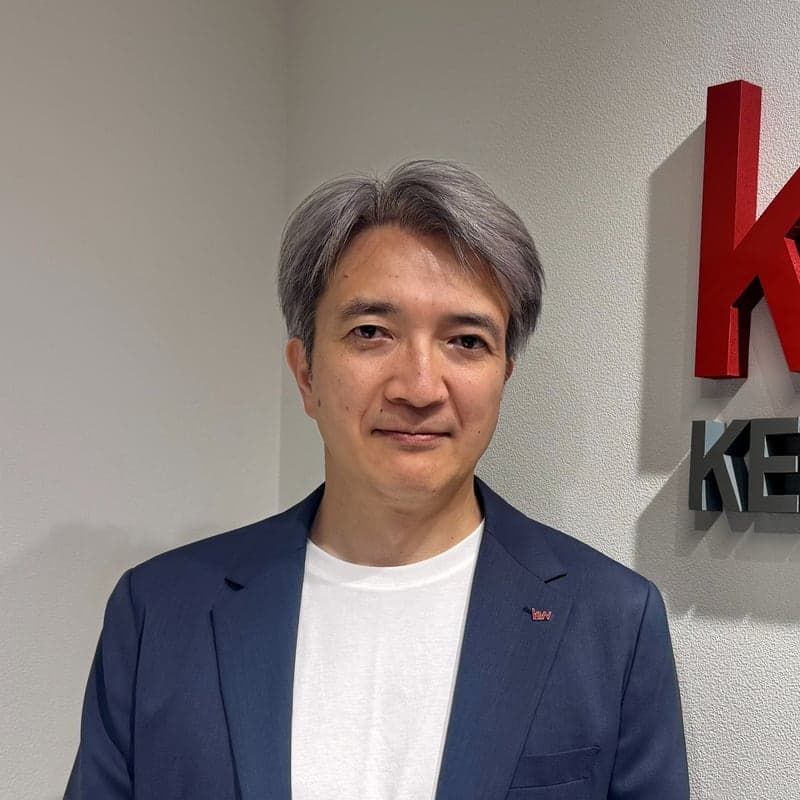
Yuichi Suzuki(鈴木 裕一)
Founder, Japan YES Property Management · Licensed 宅地建物取引士 (Saitama No. 087841) · Keller Williams Saitama agent
Yuichi helps overseas owners run their Japanese property from abroad — tax representative filings, mail scanning and translation, bill payments and coordination with local companies, in English and Chinese.
Company overviewPurchased Japanese Property from Overseas? Let Us Handle the Management.
Japan YES specializes in remote property management — tax representation (納税管理人), mail scanning & translation, utility payments, and local coordination.
Japan YES Property Management
Managing Japanese property from abroad?
Let us handle it — tax representative registration, mail digitization, and local coordination, all managed remotely.
Free plan available · No credit card required
More Articles
How to Manage Japanese Property from Overseas: A Complete Guide
A practical guide for non-resident owners on managing property taxes, mail, maintenance, and compliance from abroad.
Property ManagementLeaving Your Japanese House Empty for Months: The Checklist Nobody Gives You
You close the door, fly home, and come back six months later. What you find depends almost entirely on ten minutes of work before you left. The things that actually go wrong in an empty Japanese house — and the order to deal with them.
Mail ManagementJapan Mail Forwarding for Non-Residents: What You Need to Know
Japan Post's forwarding service (転送届) does not forward mail overseas and expires after a year — so what do you do with property tax notices and utility bills? How Japanese mail forwarding actually works for non-residents, and the digitization alternative.
Tax & ComplianceWhat Is a Tax Representative (納税管理人) in Japan?
If you own property in Japan but live overseas, you are legally required to appoint a tax representative. Learn what a 納税管理人 does, why it matters, and how to set one up.