
How to Buy an Akiya in Japan: The Step-by-Step Process for Foreign Buyers
Key Takeaways
- There is no nationality restriction on buying property in Japan — foreigners and non-residents can buy an akiya outright, and no visa or residence status is required.
- The sequence is: find the property, inspect it, make an offer, receive the legally required explanation of important matters (重要事項説明), sign, pay, and register the transfer through a judicial scrivener (司法書士).
- Two steps are mandatory and non-negotiable: the pre-contract briefing by a licensed specialist (宅地建物取引士), and the transfer of ownership registration at the Legal Affairs Bureau.
- Non-residents sign with a signature affidavit (署名証明) instead of a registered seal, so the whole purchase can be completed from abroad.
- Ownership starts a set of duties on day one: a tax representative (納税管理人), a domestic contact (国内連絡先), the FEFTA report to the Ministry of Finance, and utilities and maintenance on a house that has been empty for years.
Japan has roughly nine million vacant houses, and buying one as a foreigner is legally straightforward — there is no nationality restriction and no visa requirement. What trips people up is the process: it runs on Japanese-language paperwork, a legally mandated briefing, and a registration step you cannot skip.
Here is the whole sequence, in order, with the points where overseas buyers usually get stuck. For what it costs to make the house habitable afterwards, see the real cost of renovating an akiya; for what the fees should be, see akiya fees and red flags.
Can foreigners buy an akiya in Japan?
Yes. Japan places no restrictions on foreign ownership of land or buildings. You do not need residency, a visa, or a Japanese partner, and you own the property outright — including the land, which surprises buyers used to leasehold systems elsewhere.
What you do need is a way to handle Japanese paperwork and a Japanese point of contact, both of which come up at the end of this process.
Step 1: Find the property
Akiya reach the market through several channels, and they are not equivalent:
- Municipal akiya banks (空き家バンク): local government listings, usually Japanese-only, often the cheapest but with the least support.
- Regular real estate portals and agents: more listings and more professional handling, at market prices.
- Foreign-facing akiya websites: convenient and in English, but check the fee structure carefully — see our guide on what fees are normal and what is a red flag.
Step 2: Inspect before you commit
This is the step overseas buyers skip most often and regret most. A professional inspection (建物状況調査) tells you whether you are buying a house that needs cosmetic work or a structural rebuild — a difference that can run to millions of yen on identical-looking properties.
If you cannot attend in person, an inspection and renovation quotes can be arranged and reported back to you in English. Do this before you make an offer, not after.
Step 3: Make an offer
Offers are usually made in writing through the agent, and negotiation on cheap rural properties is common — particularly where the seller mainly wants the ongoing tax and maintenance burden to end. Agree the price, the handover timing, and who deals with anything left inside the house (残置物), which on an inherited akiya can be a house full of furniture.
Step 4: The explanation of important matters (重要事項説明)
Before you sign anything, a licensed specialist (宅地建物取引士) must deliver a briefing on the property's legal restrictions, infrastructure, and contract conditions. This is a legal requirement, not a formality, and it is where genuine problems surface: no road access of the required width, a building that cannot legally be rebuilt, unconnected water or sewerage, or land-use restrictions.
The briefing is delivered in Japanese. If you do not read Japanese, arrange for it to be translated — this is the single document most worth understanding fully.
Step 5: Sign the contract and pay the deposit
At contract signing (売買契約) a deposit (手付金) is normally paid, commonly in the region of 5–10% of the price, with the balance due at closing. As a non-resident you will not have a registered seal (実印), so you sign using a signature affidavit (署名証明) issued by a notary or a Japanese embassy or consulate.
Step 6: Pay the balance and complete registration
At closing you pay the remaining balance and the judicial scrivener (司法書士) files the transfer of ownership registration (所有権移転登記) at the Legal Affairs Bureau. Two practical points for overseas buyers:
- International remittance takes longer than you think. Bank compliance checks on cross-border property payments can add days; start early and tell your bank what the transfer is for.
- Registration is what makes ownership secure against third parties. It is not optional paperwork to do later.
You will also record a domestic contact (国内連絡先) in the registry as a non-resident owner.
Step 7: The obligations that start the day you own it
Completion is not the end of the process. Ownership immediately creates duties, and this is where absentee owners get into trouble:
- Tax representative (納税管理人): required so your tax notices reach someone in Japan — see the form and the five ways to appoint one.
- FEFTA report: an acquisition between a resident and a non-resident is generally reportable to the Ministry of Finance via the Bank of Japan within 20 days — see our MOF report guide.
- Fixed asset tax: charged annually to whoever owns the property on 1 January.
- Utilities: a house empty for years may need water, gas, and electricity re-provisioned rather than simply switched on.
- Maintenance: a neglected house can be designated 管理不全空家 and lose its residential land tax break, raising fixed asset tax up to six times — the risk covered in our akiya buyer's guide.
Can you do all of this without going to Japan?
Yes, in practice. The purchase can be completed remotely: documents are signed abroad with a signature affidavit and couriered, the scrivener handles registration, and an inspection can be arranged on your behalf. What you cannot do remotely is judge the house yourself — which is exactly why the inspection step matters more, not less, when you are buying from overseas.
Japan YES can coordinate the inspection, act as your Japanese contact and tax representative, handle the mail and the post-purchase filings, and pay the bills on your behalf — all in English, from ¥66,000/year (tax included). Tell us what you are looking at and we will tell you what the process looks like for that property, or see our one-time services if you only need help with a single step.
Frequently Asked Questions
Can foreigners buy an akiya in Japan?
Yes. Japan places no nationality restriction on owning land or buildings, and you do not need a visa, residency, or a Japanese partner. You own the property outright, including the land. The practical requirements are handling Japanese-language paperwork and having a Japanese point of contact once you own it.
Do I need to visit Japan to buy an akiya?
Not necessarily. Contracts and registration documents can be signed abroad using a signature affidavit (署名証明) in place of a registered seal, then couriered back, and a judicial scrivener completes the registration. What you cannot do remotely is judge the condition of the house yourself, which is why arranging a professional inspection matters even more for overseas buyers.
What is the 重要事項説明 and why does it matter?
It is the explanation of important matters — a legally required briefing delivered by a licensed specialist (宅地建物取引士) before you sign a purchase contract. It covers legal restrictions, infrastructure, and contract conditions, and it is where serious problems surface, such as insufficient road access, a plot where rebuilding is not permitted, or unconnected water and sewerage. It is delivered in Japanese, so arrange a translation.
What are the steps to buy a vacant house in Japan?
Find the property through an akiya bank, an agent, or a portal; inspect it before committing; make an offer; receive the 重要事項説明 briefing; sign the contract and pay the deposit; pay the balance and have a judicial scrivener register the transfer of ownership. After completion you appoint a tax representative, record a domestic contact, file the FEFTA report where applicable, and take over the utilities.
What do I have to do after buying an akiya in Japan?
Appoint a tax representative (納税管理人) so tax notices reach someone in Japan, record a domestic contact (国内連絡先) in the registry, file the Ministry of Finance report where the transaction is between a resident and a non-resident, arrange utilities, and maintain the property. A neglected vacant house can be designated 管理不全空家 and lose its residential land tax break, raising fixed asset tax up to six times.
Sources
This article is based on official Japanese government information.
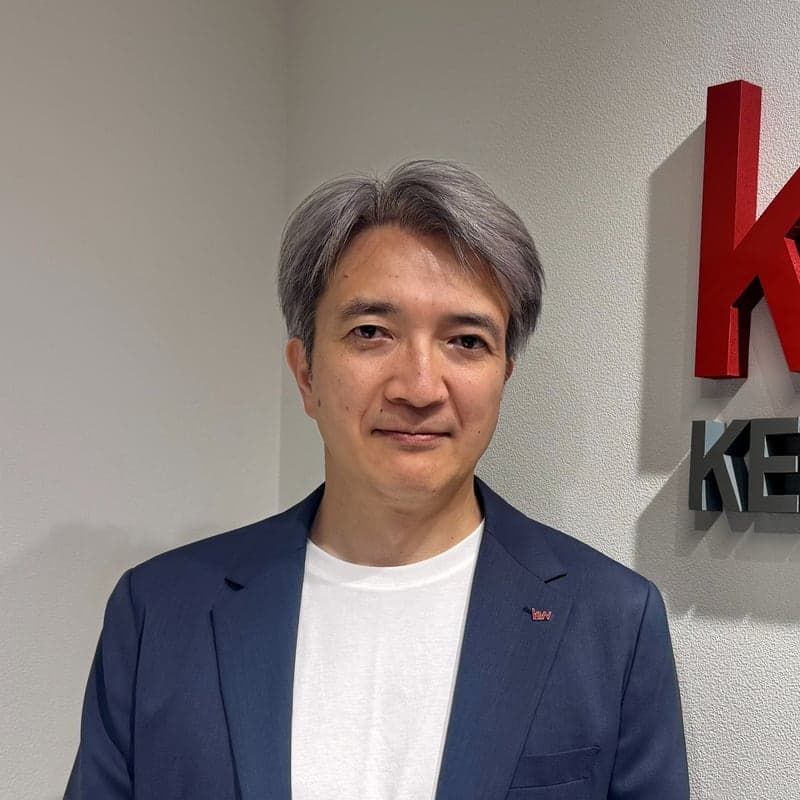
About the author
Yuichi Suzuki(鈴木 裕一)
Founder, Japan YES Property Management · Licensed 宅地建物取引士 (Saitama No. 087841) · Keller Williams Saitama agent
Yuichi helps overseas owners run their Japanese property from abroad — tax representative filings, mail scanning and translation, bill payments and coordination with local companies, in English and Chinese.
Company overviewPurchased Japanese Property from Overseas? Let Us Handle the Management.
Japan YES specializes in remote property management — tax representation (納税管理人), mail scanning & translation, utility payments, and local coordination.
Before you buy
Thinking about buying an akiya? Get the pre-purchase checklist.
The 10 checks that decide whether a ¥500,000 house becomes a ¥9 million one — written by a licensed Japanese real estate agent (宅地建物取引士). Free, no account needed.
More Articles
The Real Cost of Renovating an Akiya in Japan: Why the ¥1 House Isn't Cheap
Akiya are cheap to buy but expensive to fix — renovation routinely costs more than the purchase price. A 2026 breakdown of akiya renovation costs by work type, realistic full-renovation totals, and the true total cost of owning one from overseas.
InvestmentAkiya Fees for Foreign Buyers: What's Normal, What's a Red Flag
Cheap akiya, expensive fees. Japan legally caps agent commission — for properties ¥8 million or under, the maximum is ¥330,000 including tax. Here's what you should really pay when buying an akiya, and how to spot inflated 'consulting fees'.
Getting StartedLocal Agent Representation in Japan: What a "Registered Agent" Actually Means for Non-Residents
Japan has no single "registered agent" like the US. Instead the job is split into distinct roles — tax representative (納税管理人), domestic contact (国内連絡先), domestic manager (国内管理人). Which ones you need, what each covers, what they cost, and whether to find one yourself or use a service.
Getting StartedNo Reply from Japan? Why Japanese Companies Ignore Foreign Property Owners — and How to Get a Yes
Foreign and non-resident owners are often ignored or turned away by Japanese real estate agents, contractors, and offices. Here is why it happens (usually not discrimination), why silence often means no in Japan, and how a Japan-based representative turns a non-answer into a yes.