
Akiya Fees for Foreign Buyers: What's Normal, What's a Red Flag
Key Takeaways
- Japan legally caps real estate brokerage commission (仲介手数料). For low-value properties priced ¥8 million or under, the maximum an agent may charge is ¥330,000 including consumption tax.
- That cap was raised from ¥4 million to ¥8 million in July 2024 (the special rule for low-value vacant homes, 低廉な空家等).
- For a cheap house the ¥330,000 cap is often higher than the usual '3% + ¥60,000' formula — so a ¥330,000 commission on a ¥1M akiya is legal and normal, not a scam.
- Any 'consulting fee', 'support fee', or 'introduction fee' charged on top of the legal commission is unregulated — sometimes a genuine service, sometimes pure markup. Get every fee itemized in writing before you pay.
- Red flags: large vague fees before you've even seen a property, no written breakdown, or a 'membership' required just to view listings.
The akiya is cheap. The process of buying it — especially as a foreign buyer who can't read the paperwork — is where money quietly leaks out. Some overseas-facing akiya services add large "consulting" or "support" fees on top of everything else. The good news: Japan actually caps what a real estate agent can charge, and once you know the number, inflated fees are easy to spot.
This guide explains the legal commission cap, the special rule for cheap houses, and how to tell a legitimate service fee from a red flag. For the renovation side of the budget, see the real cost of renovating an akiya.
Japan Caps Agent Commission by Law
Real estate brokerage commission (仲介手数料) in Japan is regulated by the government. For most transactions the legal maximum is 3% of the price + ¥60,000, plus consumption tax. An agent cannot legally charge more than this for the brokerage itself — whether you are buying or selling.
The Special Rule for Cheap Houses: Up to ¥330,000
Akiya are usually low-value, and there is a specific rule for them. For low-value properties priced ¥8,000,000 or under (低廉な空家等), an agent may charge up to ¥300,000 plus consumption tax — ¥330,000 including 10% tax. This threshold was raised from ¥4,000,000 to ¥8,000,000 in July 2024.
Here is the part that surprises buyers: for a cheap house, that cap is often higher than the standard "3% + ¥60,000" formula. So a ¥330,000 commission on a ¥1,000,000 akiya is legal and completely normal — not a rip-off. The rule exists because handling a ¥1 million sale takes almost as much work as a ¥50 million one; without it, no agent would touch cheap listings.
| Property price | Usual "3% + ¥60,000" result (incl. tax) | Legal max for ¥8M or under (incl. tax) |
|---|---|---|
| ¥1,000,000 | about ¥55,000 | ¥330,000 |
| ¥3,000,000 | about ¥154,000 | ¥330,000 |
| ¥5,000,000 | about ¥231,000 | ¥330,000 |
| ¥8,000,000 | ¥330,000 | ¥330,000 |
| Over ¥8,000,000 | 3% + ¥60,000 + tax | special rule no longer applies |
Two things to note. First, to charge the higher low-value amount, the agent must explain it and agree it with you in advance. Second, at exactly ¥8,000,000 the two columns meet (3% + ¥60,000 = ¥300,000 before tax), which is why that is the cut-off: above it, the standard formula already exceeds ¥330,000 and simply takes over.
So What Exactly Is a "Consulting Fee"?
Here is the key distinction. The commission above is capped by law. Anything else — "consulting fee", "support fee", "introduction fee", "membership", "coordination fee" — is not regulated by real estate law at all. It can be:
- A legitimate service. English translation, remote coordination, arranging an inspection, or ongoing management are real work with real value, and it is fair to pay for them.
- Pure markup. A large, vaguely-defined fee that mostly exists because you cannot easily shop around in Japanese.
The fee itself is not the problem; opacity is. A trustworthy provider itemizes exactly what each fee buys, in writing, before you pay anything.
Red Flags: How Foreign Buyers Get Overcharged
- Large fees before you've seen a property. Being asked for a big "consulting" or "membership" fee just to access listings is a warning sign.
- No written breakdown. If a provider won't itemize what each charge is for, assume the worst.
- "All-in" pricing with no detail. A single large number covering "everything" hides whether the commission is within the legal cap.
- Commission above the legal cap, relabelled as a "handling" or "arrangement" fee to get around the limit.
- Pressure and urgency. "Another buyer is interested, pay the deposit and fee today" is a classic tactic aimed at people who can't verify anything locally.
What You Should Actually Expect to Pay
An honest cost list for buying an akiya as a foreign buyer:
- Agent commission (仲介手数料): capped by law — up to ¥330,000 incl. tax for ¥8M or under, or 3% + ¥60,000 + tax above that.
- Judicial scrivener (司法書士): roughly ¥50,000–¥150,000 to handle the title transfer registration (所有権移転登記).
- Registration & acquisition taxes: registration licence tax (登録免許税) and real estate acquisition tax (不動産取得税) — modest on a low-value akiya, but real.
- Optional services, à la carte: inspection, translation, utility setup, and ongoing management — each priced transparently for the specific service.
A Note on Transparency
Japan YES is a property management service, not an akiya broker or a paid listings platform — so we are not competing for a "consulting fee" on your purchase. Our pricing is published, and one-time services such as inspection, translation, and utility setup are quoted per service. Once you own the property, we help you hold and maintain it from overseas as your tax representative (納税管理人), mail handler, and local coordinator.
The simple rule that protects you: if a fee isn't written down and explained, don't pay it. Know the legal commission cap, ask for an itemized breakdown, and the akiya can be a genuinely good buy — without the hidden markup.
Frequently Asked Questions
How much is the agent commission when buying an akiya in Japan?
It is capped by law. For low-value properties priced ¥8,000,000 or under, an agent may charge up to ¥330,000 including consumption tax (¥300,000 plus 10% tax) — a special rule for low-value vacant homes (低廉な空家等) whose threshold was raised from ¥4,000,000 to ¥8,000,000 in July 2024. Above ¥8,000,000, the standard cap of 3% of the price + ¥60,000 + consumption tax applies.
Why is the commission on a cheap akiya as high as ¥330,000?
Because handling a ¥1 million sale takes almost as much work as a much larger one. For a cheap house, the ¥330,000 cap is actually higher than the usual '3% + ¥60,000' formula would give, so it is legal and normal — not a scam. Without this special rule, few agents would take on low-value listings at all.
Are 'consulting fees' on foreign akiya websites legal?
The brokerage commission is capped by real estate law, but a separate 'consulting fee', 'support fee', or 'introduction fee' is not regulated. It can be a legitimate charge for a real service (translation, coordination, inspection, management) or simply markup. The fee itself is not the issue — opacity is. A trustworthy provider itemizes exactly what each fee buys, in writing, before you pay.
What fees should I expect when buying an akiya as a foreigner?
Expect: the agent commission (capped as above); a judicial scrivener (司法書士) fee of roughly ¥50,000–¥150,000 for the title transfer registration; registration licence tax (登録免許税) and real estate acquisition tax (不動産取得税), which are modest on low-value akiya; and any optional services you choose (inspection, translation, utility setup, ongoing management), which should be priced transparently per service.
How do I avoid overpaying when buying a Japanese akiya?
Know the legal commission cap, and ask for every fee to be itemized in writing before you pay anything. Be wary of large 'consulting' or 'membership' fees charged before you have even seen a property, single 'all-in' prices with no breakdown, or pressure to pay quickly. If a fee is not written down and explained, do not pay it.
Sources
This article is based on official Japanese government information.
About the author
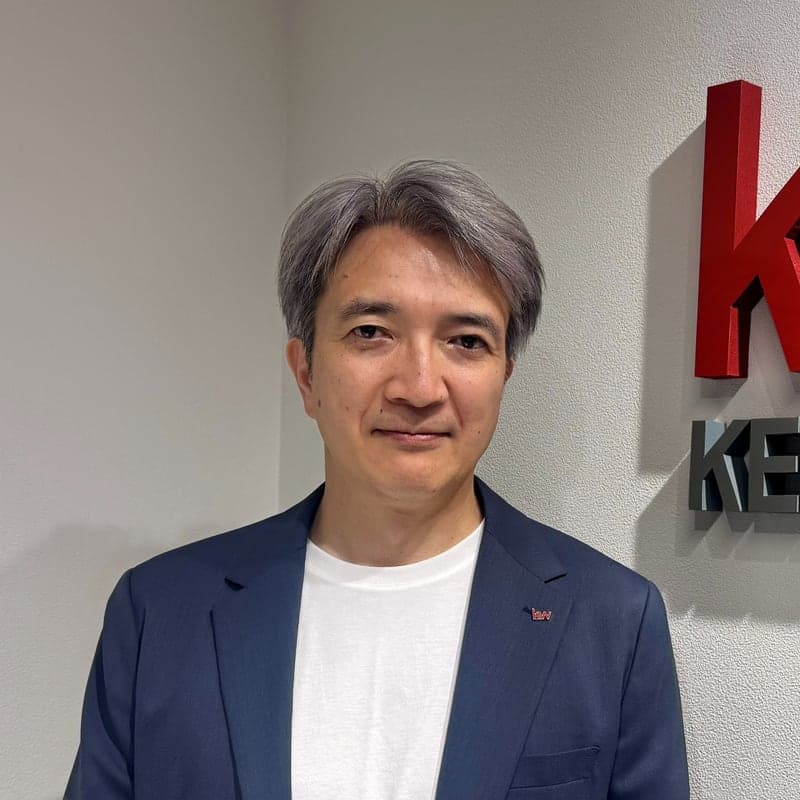
Yuichi Suzuki(鈴木 裕一)
Founder, Japan YES Property Management · Licensed 宅地建物取引士 (Saitama No. 087841) · Keller Williams Saitama agent
Yuichi helps overseas owners run their Japanese property from abroad — tax representative filings, mail scanning and translation, bill payments and coordination with local companies, in English and Chinese.
Company overviewPurchased Japanese Property from Overseas? Let Us Handle the Management.
Japan YES specializes in remote property management — tax representation (納税管理人), mail scanning & translation, utility payments, and local coordination.
Before you buy
Thinking about buying an akiya? Get the pre-purchase checklist.
The 10 checks that decide whether a ¥500,000 house becomes a ¥9 million one — written by a licensed Japanese real estate agent (宅地建物取引士). Free, no account needed.
More Articles
Kyoto's Empty Home Tax: Who Pays, How Much, and When It Really Starts
Japan's first tax on empty homes targets vacant houses and second homes in Kyoto City. English and Japanese sources keep giving the wrong start date — here is what the city itself says, and what it means for an overseas owner.
Buying PropertyWhat a Japanese Home Inspection Actually Checks — and What It Misses
Every guide tells overseas buyers to inspect a Japanese house before buying. Almost none explain what the standard survey covers, what it leaves out, and what you have to ask for separately.