
Before You Fly: Getting a Japanese Second Home Ready for Your Arrival
Key Takeaways
- Work backwards from your arrival date, not forwards from today. The item with the longest lead time is gas, which needs an appointment and somebody inside the house.
- A house that has been shut for months needs air before it needs anything else. Opening it a few days early is the difference between a fresh house and a damp one.
- Bedding is the thing owners forget. Futons stored in a closed Japanese house for six months are damp whether or not they look it.
- Deliveries will not wait for you. Japanese couriers attempt delivery, leave a slip, and return items after the redelivery window closes.
- Anything requiring a person at the property — gas, repairs, deliveries, a locksmith — needs somebody in Japan, or it needs a day of your trip.
There is a particular kind of disappointment in arriving at your own house after a long flight to find no hot water, a damp smell and a stack of post with something urgent in it.
Almost all of it is avoidable, and the work is small. What matters is the order and the lead time.
Four weeks before
Book the gas. This is first because it is the only item that can fail outright. Reopening gas needs a technician and somebody physically in the house. Appointments are not always available at short notice, and the weeks around new year, Golden Week and Obon are worse. If nobody can be there before you land, book it for your first full morning and plan around it.
Confirm the water. If the system was drained for winter, restoring it is more than turning a tap: valves are reopened in order, and a system refilled carelessly can show up a joint that failed quietly months ago. If your house is in a cold region, have somebody restore it a few days before you arrive so a leak is discovered while you are still at home with options, not at midnight on day one.
Ask for the post. Whoever receives your mail should send you what has accumulated now, not when you land. Insurance renewals, condominium association notices and tax correspondence sometimes carry deadlines you can still act on from abroad — and cannot act on at all once they pass.
Two weeks before
Arrange for the house to be opened and aired. A Japanese house closed for six months holds a lot of moisture. A few hours of open windows, two or three days before you arrive, changes the entire experience of walking in. If somebody is doing this for you, ask them to open the wardrobes and the room where the futons are stored at the same time.
Have the bedding dealt with. This is the item owners most often overlook and most often regret. Futons and duvets that have sat in a closed cupboard through a Japanese summer are damp even when they look fine. They need sun, or a futon dryer, or replacing. Deciding this two weeks out is easy; deciding it on your first night is not.
Check the air conditioning. A unit unused for a year may need its filters cleaned, and in the worst case it has become a mould problem of its own. In July or February this is not a comfort question.
One week before
Order what you cannot carry. Rice, water, cleaning supplies, a replacement kettle. But note how Japanese delivery works: the courier attempts delivery, leaves a slip if nobody answers, holds the parcel for a limited period, and returns it to the sender afterwards. A delivery timed to arrive before you do will not sit on your doorstep. Either have somebody receive it, or schedule it for the day after you land.
Tell the neighbours you are coming, if you are on those terms. In a quiet street, lights and movement in a house that is usually empty is the kind of thing people notice and worry about.
Confirm heating fuel. In winter, in parts of Japan where kerosene heaters are normal, an empty tank is the difference between a usable house and a cold one. Kerosene also degrades in storage, so last year's leftover is not necessarily this year's fuel.
The day you arrive
If the preparation above happened, this list is short: open the windows, run every tap for a minute to refill the drain traps, check under the sinks and around the water heater for anything wet, and look at the ceilings for stains that were not there last time.
Photograph anything that has changed since your last visit. It is the only record that makes an insurance conversation possible later.
What needs a person in Japan
Reading the list back, a pattern emerges. Almost every item that can go badly wrong is an item that requires a human being at the property:
| Task | Can it be done from abroad? |
|---|---|
| Reopening gas | No — somebody must be inside |
| Restoring a drained water system | No |
| Airing the house | No |
| Receiving a delivery | No |
| Meeting a repair technician | No |
| Reading the post | Only if somebody scans it |
| Paying a Japanese bill | Difficult without a Japanese account |
| Booking appointments in Japanese | Difficult |
This is the practical reason a second home in Japan is harder to run from abroad than a second home in a country where you speak the language and hold a bank account — and the reason the solution is a person, not an app.
While you are there: the three things worth doing
- Deal with anything you have been postponing. A dripping tap, a sticking lock, a tile that moved. These are ten-minute jobs while you are in the country and major undertakings when you are not.
- Introduce yourself, or say hello again. The neighbour who knows the house is yours is your early warning system for the next eleven months.
- Leave the house properly. Everything in the empty-house checklist applies on the way out, and the ten minutes it takes decides what you find next time.
The administrative items that do not wait
Two obligations exist whether or not you are in the country, and both are solved once rather than every year:
- A tax representative (納税管理人) registered with your municipality, so property tax notices reach somebody who can pay them. See how to appoint one.
- A domestic contact (国内連絡先) recorded with the property registration, which owners who live abroad are asked for. See how the roles differ.
How Japan YES helps
Before you fly, we open the house, air it, restore the water, meet the gas technician and tell you what we found — with photographs. While you are away, the post comes to us and the bills get paid. You arrive to a house that works.
See how it works for a second home, or tell us about the property and your next trip.
Utility procedures, delivery rules and heating practice vary by provider and region. Confirm the position for your own property and providers.
Frequently Asked Questions
How far ahead should I prepare a Japanese second home before arriving?
About four weeks. The item with the longest lead time is gas, which needs an appointment and somebody inside the house. Two weeks out, arrange for the house to be opened and aired and for the bedding to be dried or replaced. One week out, order supplies and confirm heating fuel. Working backwards from the arrival date rather than forwards from today is what keeps the gas appointment from landing in the middle of a short trip.
Why does a Japanese house need airing before I arrive?
A house closed for months holds a great deal of moisture, particularly through the rainy season and summer. A few hours of open windows two or three days before arrival changes the whole experience of walking in, and opening wardrobes and the cupboard where futons are stored at the same time lets those dry as well. It is the single cheapest improvement to a return visit.
Can I have deliveries sent to my Japanese house before I arrive?
Not reliably. Japanese couriers attempt delivery, leave a slip if nobody answers, hold the parcel for a limited redelivery period, and then return it to the sender. A parcel timed to arrive before you do will not wait on the doorstep. Either have somebody in Japan receive it, or schedule delivery for the day after you land.
What can I not do from abroad for a Japanese second home?
Anything that needs a person at the property: reopening gas, restoring a drained water system, airing the house, receiving a delivery, and meeting a repair technician. Reading the post requires somebody to scan it, paying Japanese bills is difficult without a Japanese bank account, and booking appointments generally has to be done in Japanese. This is why running a Japanese second home from overseas usually needs a person rather than an app.
What administrative steps does a non-resident second home owner need in Japan?
Two, and both are arranged once rather than every year. A tax representative (納税管理人) registered with the municipality, so property tax notices reach somebody who can act on them, and a domestic contact (国内連絡先) recorded with the property registration, which owners living abroad have been asked for since April 2024 (or to declare that they have none).
Sources
This article is based on official Japanese government information.
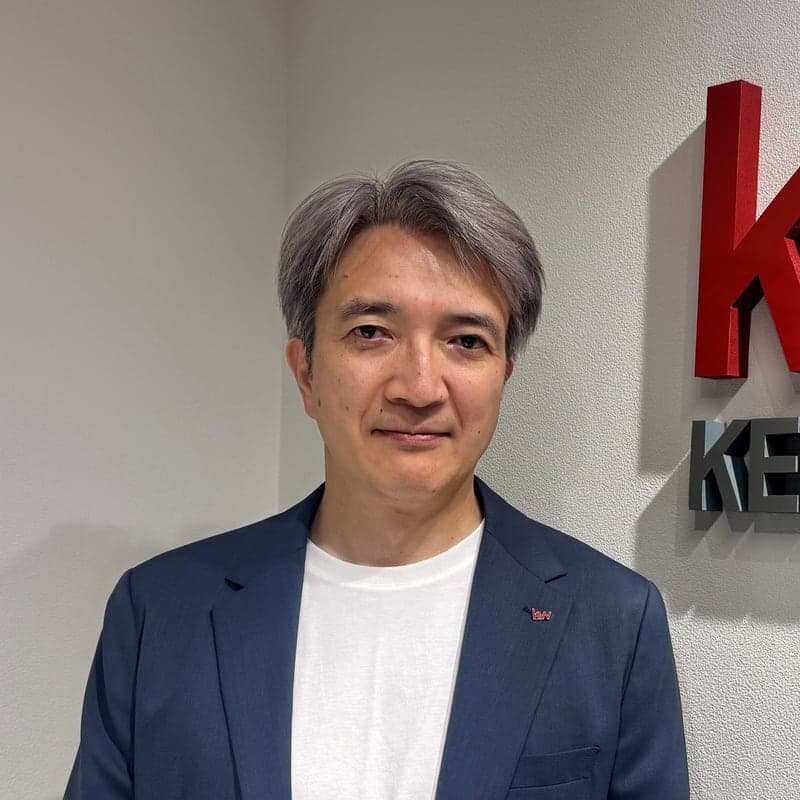
About the author
Yuichi Suzuki(鈴木 裕一)
Founder, Japan YES Property Management · Licensed 宅地建物取引士 (Saitama No. 087841) · Keller Williams Saitama agent
Yuichi helps overseas owners run their Japanese property from abroad — tax representative filings, mail scanning and translation, bill payments and coordination with local companies, in English and Chinese.
Company overviewPurchased Japanese Property from Overseas? Let Us Handle the Management.
Japan YES specializes in remote property management — tax representation (納税管理人), mail scanning & translation, utility payments, and local coordination.
Japan YES Property Management
Managing Japanese property from abroad?
Let us handle it — tax representative registration, mail digitization, and local coordination, all managed remotely.
Free plan available · No credit card required
More Articles
Winter-Proofing an Empty House in Japan: The Job Nobody Tells Overseas Owners About
A Japanese house left empty over winter can destroy itself without anyone touching it. Draining the pipes is the one job that has to happen before the first hard freeze — here is what it involves and when it is due.
Property ManagementFire and Earthquake Insurance on a Japanese Property You Own from Abroad
Fire insurance in Japan does not cover earthquakes, and an empty house may not be insurable on a normal policy at all. What the two policies actually cover, what an empty house changes, and how a claim works when you live overseas.
Tax & ComplianceRenting Out Your Japanese Property as a Non-Resident: The 20.42% Nobody Warns You About
If you live abroad and let a property in Japan, your tenant may be legally required to withhold 20.42% of the rent and pay it to the tax office. Who withholds, who does not, and how you get the money back.
Tax & ComplianceKyoto's Empty Home Tax: Who Pays, How Much, and When It Really Starts
Japan's first tax on empty homes targets vacant houses and second homes in Kyoto City. English and Japanese sources keep giving the wrong start date — here is what the city itself says, and what it means for an overseas owner.