
Leaving Your Japanese House Empty for Months: The Checklist Nobody Gives You
Key Takeaways
- The most common unpleasant surprise on return is a smell, not damage. The water seal in every drain evaporates in roughly two to four weeks, and sewer gas comes back up the pipe. Filling the traps before you leave prevents it.
- In snow regions, switching the main breaker off is what bursts pipes. Freeze-prevention heaters wrapped around the supply pipe need electricity to work. Drain the water instead.
- Gas is the one utility that cannot be restarted remotely. Reopening requires an appointment with somebody physically present in the house for a safety check.
- An overflowing post box is the clearest signal to a street that a house is unattended. Japan Post's forwarding service lasts one year and does not forward overseas.
- A garden that is visibly out of control can lead to a poorly-managed vacant house designation, which removes the residential land tax reduction and can raise fixed asset tax several times over.
Nobody hands you this list at completion. The judicial scrivener finishes the registration, the agent shakes your hand, and the practical business of owning a house in a country you do not live in starts the moment you lock the door behind you.
Most of what goes wrong in an empty Japanese house is cheap and easy to prevent, and expensive to fix after the fact. This is the list, in the order that matters.
At a glance
| What goes wrong | How long it takes | Prevention |
|---|---|---|
| Drain smell and insects | 2–4 weeks | Fill every trap, add a little cooking oil |
| Burst supply pipe | One cold night | Drain the water, or leave the power on |
| Mould on walls and futons | One rainy season | Leave interior doors open, dehumidifier or ventilation |
| Post box overflowing | 2–3 months | A Japanese address that receives for you |
| Garden visibly overgrown | One summer | Arrange cutting twice a year |
| Unpaid property tax | One spring | Appoint a tax representative |
1. The drains — the one almost everybody gets wrong
Every sink, bath, shower and washing machine outlet in a Japanese house has a water seal in the trap below it. That small amount of standing water is the only thing between your living room and the drain system.
Water evaporates. In an empty house in summer, a trap can dry out in two to four weeks. After that the smell comes back up the pipe, and so do the insects that live in it. Owners return after six months, open the door, and conclude that something is badly wrong with the house. Nothing is wrong with the house.
Before you leave:
- Run every tap and flush every toilet so each trap is full.
- Pour a little cooking oil into each drain afterwards. The oil floats on the water and slows evaporation dramatically — this is standard practice in Japan for a reason.
- Do not forget the ones you never use: the second bathroom, the outdoor tap, the washing machine drain, the floor drain in the bathroom.
If the house will be empty longer than about three months, the better answer is somebody running the taps while you are away.
2. Water and freezing
If your house is anywhere that sees sub-zero nights — and that includes far more of Japan than foreign buyers expect — a supply pipe can split in a single night, then flood the house when it thaws.
There are two safe strategies, and one dangerous one.
- Safe: drain the system. In cold regions houses are fitted with a drain valve for exactly this. Close the stopcock, open the drain, then open the taps so the pipes empty. This is the standard approach for an empty house over winter.
- Safe: leave the power on. Pipes in snow regions are wrapped in electric freeze-prevention heaters that switch themselves on in the cold.
- Dangerous: switch off the main breaker and leave the water in. This is the combination that bursts pipes, and it is the one people choose because turning everything off feels responsible.
Our guide to winterising an empty Japanese house goes through this in detail, including the water heater, which is usually the first thing to split.
3. Electricity — think before you cut it
Switching the supply off saves the monthly base charge and almost nothing else. What it costs you:
- Freeze-prevention heaters stop working.
- Any ventilation or dehumidifier stops, in a climate where the rainy season does the rest.
- Nothing on the property can be checked or run remotely.
- A house with no light at all, ever, reads as abandoned.
For most second homes the sensible answer is to keep electricity connected and shut off individual circuits you do not need. We work through the arithmetic in utilities in a Japanese second home.
4. Gas — close the valve, and understand what restarting means
Close the main gas valve before you leave. That part is simple.
The part that catches people out is the return journey. Gas is the one utility that cannot be restarted remotely. Whether you are on mains gas or LP cylinders, reopening the supply requires an appointment at which somebody has to be physically inside the house while the technician checks for leaks and lights the appliances.
If you are flying in for ten days, that means either arranging the appointment weeks ahead and losing part of your first day to it, or arriving to a house with no hot water. It is the single strongest practical argument for having somebody in Japan who can let a technician in.
5. The post box
Japanese organisations communicate on paper. In six months a second home accumulates tax notices, utility bills, insurance renewals, local government circulars and, if you are in a condominium, management association papers.
Two things follow:
- The street can see it. An overflowing post box is the most visible sign that nobody is attending the property, and it is what prompts neighbours to start making calls.
- Japan Post cannot solve it. The forwarding service (転送届) runs for one year and does not forward internationally. There is no version of it that posts your Japanese mail to you abroad as a matter of course.
The workable answer is a Japanese address that receives and scans for you. See how Japanese mail forwarding actually works for non-residents.
6. The garden, and what the neighbours see
In a Japanese summer an unattended garden becomes unmistakable within one season. This is not only cosmetic.
Under the Vacant Houses Special Measures Act a property that is visibly not being managed can be designated a poorly-managed vacant house (管理不全空家). The consequence that matters is financial: the designation removes the residential land tax reduction, and the fixed asset tax bill can rise several times over.
Arrange cutting twice a year — early summer and early autumn covers most of it. If your house is in snow country, arrange for the roof as well; in heavy-snow areas an unattended roof is a structural question, not an aesthetic one.
And introduce yourself to the neighbours on your first visit. A neighbour who knows the house belongs to somebody who comes back will call you about a broken window. A neighbour who thinks it is abandoned will call the city.
7. Insurance
Tell your insurer how the house is actually used. A property that stands empty for most of the year is not always treated the same way as one in regular use, and in Japan a building that is genuinely unoccupied may fall into a different classification with different cover.
Finding this out at claim time is the expensive way to find out. Our guide to property insurance for overseas owners covers what to ask, including earthquake cover, which is a separate product.
8. The tax notice — the one that actually costs money
Everything above is about the building. This one is about the bill.
Fixed asset tax notices are posted, on paper, in Japanese, to an address in Japan, usually between April and June. If nobody receives them, the tax goes unpaid, late charges accrue, and the first you hear of it may be a demand or a seizure procedure against a house you thought was fine.
The fix is a tax representative (納税管理人): a person or company in Japan registered with your municipality to receive and pay these notices on your behalf. It is a notification form, not a court process. See how to appoint one, and note that the owner on 1 January is liable for that whole year.
The checklist
- Run every tap and flush every toilet, then pour cooking oil into each drain.
- Drain the water system, or confirm the freeze-prevention heaters have power.
- Decide deliberately what stays connected — do not default to switching everything off.
- Close the main gas valve.
- Leave interior doors and wardrobes open so air can move.
- Store futons and bedding dry and off the floor.
- Empty the fridge and leave the door propped open.
- Close shutters on the weather side; leave a trickle of ventilation if you have it.
- Arrange garden cutting, and snow clearing if relevant.
- Make sure somebody in Japan can receive the post.
- Confirm your insurer knows how the house is used.
- Photograph every room before you lock up — it is the only record you will have.
How Japan YES helps
We are the address in Japan for owners who live abroad. The post comes to us, we scan and translate it, we pay the bills from funds you send, and we arrange the people who need to be at the house — the gardener, the gas technician, the plumber — so that a trip home is not spent on appointments.
Plans start at ¥66,000 a year, tax included. See how it works for a second home, or tell us about the property.
This article describes general practice. Freezing risk, insurance classification and local vacant-house rules vary by region and by provider — check the position for your own property.
Frequently Asked Questions
Why does my Japanese house smell when I come back?
Almost always it is the drains, not the building. Every sink, bath and floor drain holds a small amount of water that seals the pipe. In an empty house that water evaporates in roughly two to four weeks, after which sewer gas comes back up. Running every tap and flushing every toilet refills the seals, and pouring a little cooking oil into each drain before you leave slows the evaporation considerably.
Should I switch off the main breaker in my empty Japanese house?
In any region that sees sub-zero nights, no. The freeze-prevention heaters wrapped around the supply pipe and water heater run on electricity, so cutting the power is what causes pipes to split and flood the house on thawing. Keep the supply connected and switch off individual circuits you do not need instead. Leaving the power on also keeps ventilation or a dehumidifier running through the rainy season.
Can Japan Post forward my mail overseas while the house is empty?
No. Japan Post's forwarding service (転送届) runs for one year and does not forward internationally. Tax notices, utility bills, insurance renewals and condominium association papers keep arriving at the property. Overseas owners generally use a Japanese address that receives and scans the mail instead.
What happens if the garden of my Japanese second home becomes overgrown?
Beyond the appearance, a property that is visibly not being managed can be designated a poorly-managed vacant house (管理不全空家) under the Vacant Houses Special Measures Act. The designation removes the residential land tax reduction, and the fixed asset tax bill can rise several times over. Cutting twice a year, in early summer and early autumn, covers most properties.
Do I need to tell my insurer that the house is empty most of the year?
Yes. A building in regular use and a building that stands empty are not always treated the same way in Japanese property insurance, and a genuinely unoccupied house may fall into a different classification with different cover. Confirm the position with your insurer before a claim rather than during one. Earthquake cover is a separate product and must be arranged alongside fire insurance.
What should I do before leaving a Japanese house empty for six months?
Fill every drain trap and add cooking oil, drain the water system or confirm the freeze-prevention heaters have power, close the main gas valve, leave interior doors and wardrobes open so air can move, store bedding dry and off the floor, empty the fridge and prop it open, arrange garden cutting, make sure somebody in Japan can receive the post, confirm your insurer knows how the house is used, and photograph every room before you lock up.
Sources
This article is based on official Japanese government information.
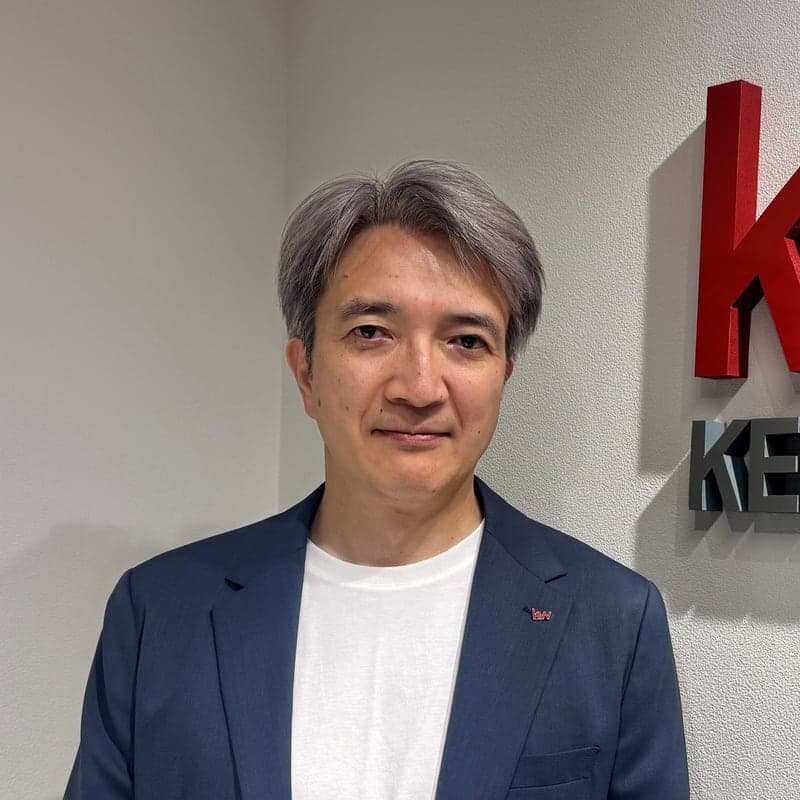
About the author
Yuichi Suzuki(鈴木 裕一)
Founder, Japan YES Property Management · Licensed 宅地建物取引士 (Saitama No. 087841) · Keller Williams Saitama agent
Yuichi helps overseas owners run their Japanese property from abroad — tax representative filings, mail scanning and translation, bill payments and coordination with local companies, in English and Chinese.
Company overviewPurchased Japanese Property from Overseas? Let Us Handle the Management.
Japan YES specializes in remote property management — tax representation (納税管理人), mail scanning & translation, utility payments, and local coordination.
Japan YES Property Management
Managing Japanese property from abroad?
Let us handle it — tax representative registration, mail digitization, and local coordination, all managed remotely.
Free plan available · No credit card required
More Articles
Utilities in a Japanese Second Home: Leave Them On, or Shut Them Off?
Shutting everything off looks like the responsible choice and is usually the expensive one. How electricity, water and gas actually behave in an empty Japanese house, and a simple rule based on how often you visit.
Property ManagementBefore You Fly: Getting a Japanese Second Home Ready for Your Arrival
The difference between walking into a house that works and spending three days of a short trip on appointments is about four weeks of planning. A timeline for owners flying in to a Japanese second home.
Property ManagementWinter-Proofing an Empty House in Japan: The Job Nobody Tells Overseas Owners About
A Japanese house left empty over winter can destroy itself without anyone touching it. Draining the pipes is the one job that has to happen before the first hard freeze — here is what it involves and when it is due.
Property ManagementFire and Earthquake Insurance on a Japanese Property You Own from Abroad
Fire insurance in Japan does not cover earthquakes, and an empty house may not be insurable on a normal policy at all. What the two policies actually cover, what an empty house changes, and how a claim works when you live overseas.