
Local Agent Representation in Japan: What a "Registered Agent" Actually Means for Non-Residents
Key Takeaways
- Japan has no single "registered agent" equivalent to the US system. The job is split into separate roles, and which ones you need depends on what you own and why.
- The three that matter to most non-resident owners are the tax representative (納税管理人) for taxes, the domestic contact (国内連絡先) for the property registry, and — for condominium owners — the domestic manager (国内管理人).
- Appointing one person informally does not cover the others: each role is filed separately, and a friend named as your tax representative is not automatically your registry contact.
- You can appoint a friend or relative for free, hire a professional per role, or use a single service that covers all of them — the trade-off is cost against reliability and English support.
- Expect roughly ¥50,000–150,000+/year for a tax accountant handling filings, or from ¥66,000/year (tax included) for a specialist service that combines the representative roles with mail handling and payments.
If you searched for a registered agent in Japan, you probably have a US or European model in mind: one appointed party, on file, who receives official documents on your behalf. Japan does not work that way — and assuming it does is how overseas owners end up with unopened tax bills and stalled paperwork.
This guide explains what local representation actually means in Japan, which roles you need, what they cost, and how to appoint one without flying over.
Does Japan have a "registered agent" for non-residents?
No — not as a single office. Japan splits the function into separate roles, each filed with a different authority for a different purpose. There is no one registration that makes someone your all-purpose agent.
That matters practically: appointing a friend as your tax representative does not make them your registry contact, and a rental management company handling your tenants is not automatically receiving your tax notices. Each role has to be set up on its own.
Why non-residents need local representation at all
Three separate forces push every overseas owner toward local representation:
- Legal requirements. Non-residents with Japanese tax obligations must appoint a tax representative (納税管理人), and since April 2024 a domestic contact (国内連絡先) is recorded in the property registry when a non-resident registers ownership.
- Practical delivery. Japanese offices post notices to a Japanese address. Fixed asset tax bills, utility notices, and municipal correspondence do not follow you overseas.
- Counterparty comfort. Agents, contractors, and utilities are far more willing to engage when there is a reachable Japan-based party — as covered in our guide on why Japanese companies ignore foreign owners.
The types of local representative in Japan
These are the roles an overseas owner actually encounters:
| Role | What it covers | Who typically needs it |
|---|---|---|
| Tax representative 納税管理人 | Receives tax notices, files returns, and pays taxes on your behalf | Every non-resident with a Japanese tax obligation |
| Domestic contact 国内連絡先 | A Japan-based contact recorded in the property registry | Non-residents registering ownership of real estate |
| Domestic manager 国内管理人 | Represents you within a condominium's management association | Condominium owners, where the association requires it |
| Rental management company 賃貸管理会社 | Tenants, rent collection, and building matters | Owners renting the property out |
| Attorney-in-fact 委任状による代理人 | A specific transaction — signing a sale, attending a closing | Anyone completing a one-off transaction remotely |
For a detailed comparison of the first three — which are the most commonly confused — see our dedicated guide to 納税管理人 vs 国内管理人 vs 国内連絡先.
Which roles do you actually need?
- You own a house or land and live abroad: tax representative + domestic contact.
- You own a condominium: the same two, plus a domestic manager if the building's association requires one.
- You rent the property out: add a rental management company, and note that tax filing for the rental income still sits with your tax representative or a tax accountant.
- You are selling or transferring: add an attorney-in-fact under a power of attorney (委任状) for the transaction itself.
Finding one yourself vs using a service
There are three realistic routes, and the honest trade-off is cost against reliability.
| Friend or relative | Professional per role | Single specialist service | |
|---|---|---|---|
| Cost | Free | Varies by professional | One annual fee |
| Coverage | Whatever they agree to | Only their specialism | Multiple roles together |
| English support | Depends entirely | Often limited | Standard |
| Reliability over years | Fragile — people move on | High within scope | High |
| Records and accountability | Informal | Per engagement | Documented |
The failure mode with a friend is rarely bad faith — it is life. They move, get busy, or lose track of which Japanese envelope mattered. The failure mode with per-role professionals is gaps: the tax accountant does not handle your utility bills, and nobody is watching the property.
What local representation costs in Japan
Typical ranges, to plan with rather than quote:
- Friend or relative: free, though you may reimburse postage and taxes paid on your behalf.
- Tax accountant (税理士): roughly ¥50,000–150,000+ per year when handling income tax filings.
- Scrivener (司法書士・行政書士): often a one-off fee for setting up the appointment paperwork, without ongoing service.
- Rental management company: usually a percentage of rent, and tied to the property being tenanted.
- Specialist service: from ¥66,000/year (tax included) with Japan YES, combining the representative roles with mail scanning, translation, and payments.
How to appoint a representative from abroad
- Decide which roles apply using the list above — most owners need at least two.
- Choose who fills each one. One party can hold several roles, but each is filed separately.
- File the paperwork. The tax representative appointment uses a notification form, filed with the tax office for national taxes and with the municipality for fixed asset tax — see our guide to the form and the five ways to appoint one.
- Record the domestic contact when registering ownership; this is handled with the registration itself.
- Confirm delivery. Make sure notices are actually arriving at the new address — the first tax cycle is the real test.
None of this requires you to be in Japan. Documents can be signed abroad with a signature affidavit (署名証明) in place of a registered seal, as explained in our glossary of Japanese property terms.
How Japan YES fits
Japan YES is built to be the single Japan-side counterpart for overseas owners: registered tax representative (納税管理人), Japanese contact address for the registry and official correspondence, mail received, scanned and translated, and taxes and bills paid on your behalf — all in English, from ¥66,000/year (tax included).
Not sure which roles your situation needs? Tell us what you own and where you live and we will map it out for you, with no obligation — or compare plans if you already know.
Frequently Asked Questions
Does Japan have a registered agent for non-residents?
Not as a single office. Unlike the US system, Japan splits the function into separate roles that are filed individually: a tax representative (納税管理人) for taxes, a domestic contact (国内連絡先) recorded in the property registry, and — for condominium owners — a domestic manager (国内管理人). Appointing someone to one role does not automatically cover the others.
Do I need a local representative to own property in Japan?
Yes, in practice. Non-residents with a Japanese tax obligation are required to appoint a tax representative, and since April 2024 a Japan-based domestic contact is recorded when a non-resident registers ownership. Beyond the legal requirement, Japanese offices post notices only to Japanese addresses, so without local representation your tax and utility bills simply never reach you.
Can a friend in Japan be my representative?
Yes — any Japan resident can serve, and it costs nothing. The practical risk is continuity: people move, get busy, or lose track of which Japanese envelope was urgent, and you may not discover the problem until penalties have built up. It also puts your friend in the position of judging official Japanese documents and fronting your tax payments.
How much does local representation in Japan cost?
A friend or relative is free. A tax accountant (税理士) handling income tax filings typically runs about ¥50,000–150,000+ per year, while a scrivener usually charges a one-off fee for setting up the paperwork without ongoing service. A specialist service that combines the representative roles with mail handling and payments starts from ¥66,000 per year (tax included) with Japan YES.
Can I appoint a representative in Japan without travelling there?
Yes. The appointments are made by filing forms, which your representative can normally submit on your behalf. Where a document needs your signature, non-residents use a signature affidavit (署名証明) issued by a notary or a Japanese embassy or consulate in place of a registered seal (実印).
Sources
This article is based on official Japanese government information.
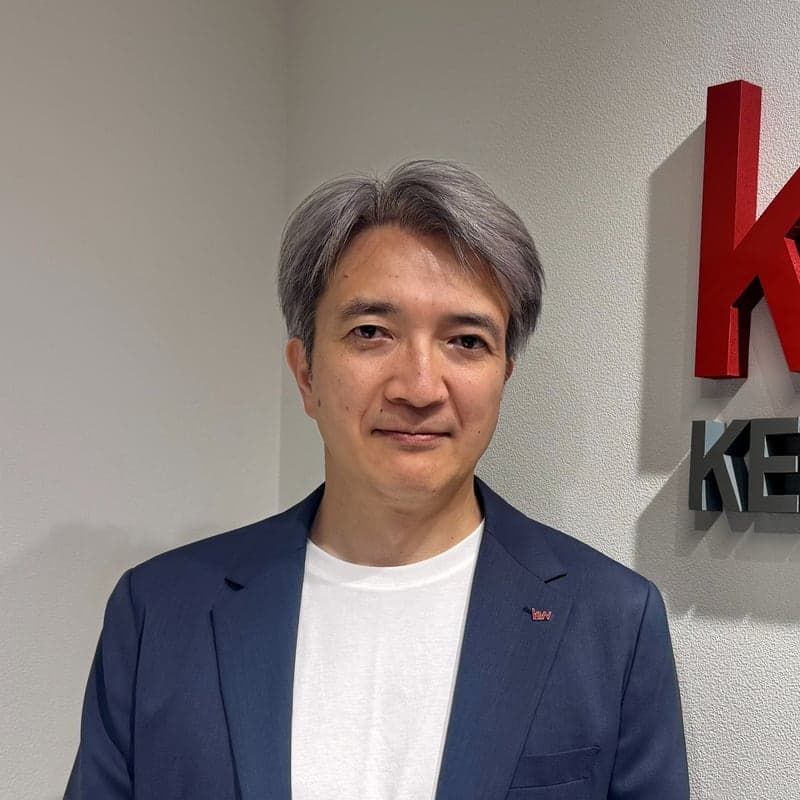
About the author
Yuichi Suzuki(鈴木 裕一)
Founder, Japan YES Property Management · Licensed 宅地建物取引士 (Saitama No. 087841) · Keller Williams Saitama agent
Yuichi helps overseas owners run their Japanese property from abroad — tax representative filings, mail scanning and translation, bill payments and coordination with local companies, in English and Chinese.
Company overviewPurchased Japanese Property from Overseas? Let Us Handle the Management.
Japan YES specializes in remote property management — tax representation (納税管理人), mail scanning & translation, utility payments, and local coordination.
Japan YES Property Management
Managing Japanese property from abroad?
Let us handle it — tax representative registration, mail digitization, and local coordination, all managed remotely.
Free plan available · No credit card required
More Articles
No Reply from Japan? Why Japanese Companies Ignore Foreign Property Owners — and How to Get a Yes
Foreign and non-resident owners are often ignored or turned away by Japanese real estate agents, contractors, and offices. Here is why it happens (usually not discrimination), why silence often means no in Japan, and how a Japan-based representative turns a non-answer into a yes.
InvestmentThe Real Cost of Renovating an Akiya in Japan: Why the ¥1 House Isn't Cheap
Akiya are cheap to buy but expensive to fix — renovation routinely costs more than the purchase price. A 2026 breakdown of akiya renovation costs by work type, realistic full-renovation totals, and the true total cost of owning one from overseas.
InvestmentAkiya Fees for Foreign Buyers: What's Normal, What's a Red Flag
Cheap akiya, expensive fees. Japan legally caps agent commission — for properties ¥8 million or under, the maximum is ¥330,000 including tax. Here's what you should really pay when buying an akiya, and how to spot inflated 'consulting fees'.
Tax & ComplianceSelling a Property in Japan from Overseas: 4 Ways to Handle the Sale Remotely
You can sell Japanese property without living in Japan — but you have to decide how the paperwork gets signed. Compare the four realistic ways to handle a remote sale: flying in, power of attorney, an agent with mail-based signing, or a full-service specialist.