
No Reply from Japan? Why Japanese Companies Ignore Foreign Property Owners — and How to Get a Yes
Key Takeaways
- Foreign and non-resident owners are frequently ignored or turned away by Japanese real estate agents and service providers — usually not out of discrimination, but because the company is not set up to handle a client with no Japanese address, phone, or language.
- In Japan, silence often means 'no': rather than refuse directly, a company may simply stop replying, so a non-response is frequently a soft rejection rather than a lost email.
- The most common practical blockers are no Japanese contact address (国内連絡先), no tax representative (納税管理人), no registered seal (実印), overseas payment and identity-check (KYC) friction, and no bilingual point of contact.
- Giving the company a credible Japan-based counterpart — a local address, phone, tax representative, and bilingual liaison — removes its risk and is usually enough to turn silence into a reply.
- Japan YES acts as that Japan-side bridge, so agents, contractors, utilities, and tax offices deal with a competent local contact instead of a hard-to-reach overseas client.
You email a Japanese real estate agent, a management company, or a contractor about a property in Japan — and nothing comes back. Or you get a polite we are unable to assist with overseas clients. For foreign and non-resident owners, being ignored or turned away is one of the most frustrating parts of dealing with Japan.
The good news: it is almost never personal, and it is fixable. This guide explains why it happens, why silence usually means no in Japan, and the one thing that reliably turns a non-answer into a yes.
Why do Japanese companies ignore or reject foreign buyers?
In most cases it is not discrimination — it is risk and friction. A typical Japanese agent, contractor, or office is set up to serve local, Japanese-speaking, resident clients. A non-resident foreign owner adds language, paperwork, payment, and communication hurdles the company is not equipped to handle, so it quietly declines or stops replying.
The specific reasons usually include:
- Language. Many local businesses have no English-speaking staff and no capacity to run a transaction in English.
- No Japanese point of contact. Forms, contracts, and registrations assume a Japan-based address and phone number; a client reachable only by overseas email looks unworkable.
- Payment and identity checks. Collecting fees from abroad, plus anti-money-laundering identity verification (KYC) for a non-resident, is extra work with perceived risk.
- Tax and legal duties they would rather not explain. Non-residents need a tax representative (納税管理人) and, for registration, a domestic contact (国内連絡先) — obligations the company does not want to shoulder or explain in English.
- Fear of miscommunication. A deal that goes wrong across a language barrier and a time zone is a liability, so it is safer to pass.
Put together, the foreign inquiry lands in a "too hard" pile — and in Japan, the too-hard pile is usually silent.
Does no reply from a Japanese company mean no?
Usually, yes. In Japanese business culture, an explicit refusal can feel impolite, so a company that cannot or does not want to help will often simply stop responding. If you have followed up once or twice and heard nothing, treat it as a soft no rather than a lost message — and change your approach instead of sending a third chase.
What do foreign owners actually lack that makes companies say no?
Almost every rejection traces back to a small set of missing "Japan-side" pieces. Supply them, and the same company will usually engage.
| What is missing | Why it makes companies hesitate | The fix |
|---|---|---|
| Japanese address & phone | Forms and contracts assume a reachable domestic party | A domestic contact (国内連絡先) in Japan |
| Tax representative (納税管理人) | Required for non-resident owners; agents do not want to arrange it | Appoint a tax representative |
| Registered seal (実印) | Non-residents cannot seal documents the usual way | Sign with a signature affidavit (署名証明) |
| Payment from within Japan | Overseas remittance and KYC add friction | A Japan-based party who can be invoiced and pay locally |
| Bilingual communication | No English capacity on the company side | A bilingual liaison who speaks to them in Japanese |
How do you get a Japanese company to say yes?
Give them a credible Japan-based counterpart to deal with. The single most effective move is to stop presenting yourself as a hard-to-reach overseas client and instead present a competent local point of contact — a Japanese address and phone, a tax representative, and someone who communicates with the company in Japanese on your behalf. Once the company sees it is dealing with a local, accountable party, the risk disappears and the reply comes.
In practice that means:
- Have a tax representative (納税管理人) and a domestic contact (国内連絡先) in place before you inquire.
- Communicate through a bilingual intermediary so the company can work in Japanese.
- Show that payments and paperwork will be handled from within Japan.
- Be ready to sign remotely with a signature affidavit (署名証明) instead of a registered seal.
How Japan YES turns "no" into "yes"
Japan YES exists to be that Japan-side bridge. We give you the local presence Japanese companies need to see, so they engage with a competent counterpart instead of an unreachable overseas email:
- A Japanese address and phone and a domestic contact (国内連絡先) for forms, contracts, and the property registry.
- Registered tax representative (納税管理人) so your national and municipal tax obligations are covered.
- Bilingual liaison — we speak to agents, contractors, utilities, and tax offices in Japanese, and report back to you in English.
- Local payments and mail handling — bills and correspondence come to us, are scanned and translated, and paid on your behalf.
With that in place, the businesses that ignored you suddenly have a local, accountable party to deal with — which is usually all it takes. See plans and pricing, browse our one-time services, or tell us what you are trying to get done and we will handle the Japan side.
Being a foreign owner in Japan should not mean hearing no — or hearing nothing at all. With the right Japan-side representation, it becomes a yes.
Frequently Asked Questions
Why do Japanese real estate agents ignore foreign buyers?
Usually because they are not set up to handle a non-resident, non-Japanese-speaking client. Language, overseas payments, identity checks (KYC), and the lack of a Japanese address, phone, tax representative (納税管理人), or domestic contact (国内連絡先) make the transaction feel risky and time-consuming, so many agents decline or simply stop replying. It is friction, not usually discrimination.
Does no reply from a Japanese company mean no?
Usually, yes. In Japanese business culture a direct refusal can feel impolite, so a company that cannot help often stops responding rather than saying no outright. If you have followed up once or twice with no answer, treat the silence as a soft rejection and change your approach — typically by presenting a Japan-based point of contact.
Why do I need a Japanese address to deal with companies in Japan?
Because contracts, official forms, and the property registry generally assume a reachable domestic party. Non-resident owners are asked for a domestic contact (国内連絡先) when their property is registered and need a tax representative (納税管理人) for taxes, and most companies expect a Japanese address and phone number. Supplying a Japan-based contact removes the biggest reason companies hesitate to engage.
Can I deal with Japanese real estate and services without living in Japan?
Yes. Non-residents can own, buy, sell, and manage Japanese property, and can sign remotely using a signature affidavit (署名証明) instead of a registered seal (実印). The practical requirement is a competent Japan-based representative — an address, phone, tax representative, and bilingual contact — so companies have a local counterpart to work with.
How does Japan YES help foreigners get a response from Japanese companies?
Japan YES acts as your Japan-side bridge: a Japanese address and phone, a domestic contact (国内連絡先), a registered tax representative (納税管理人), and a bilingual liaison who deals with agents, contractors, utilities, and tax offices in Japanese on your behalf. Because companies then deal with a local, accountable party instead of an overseas email, they engage rather than ignore.
Sources
This article is based on official Japanese government information.
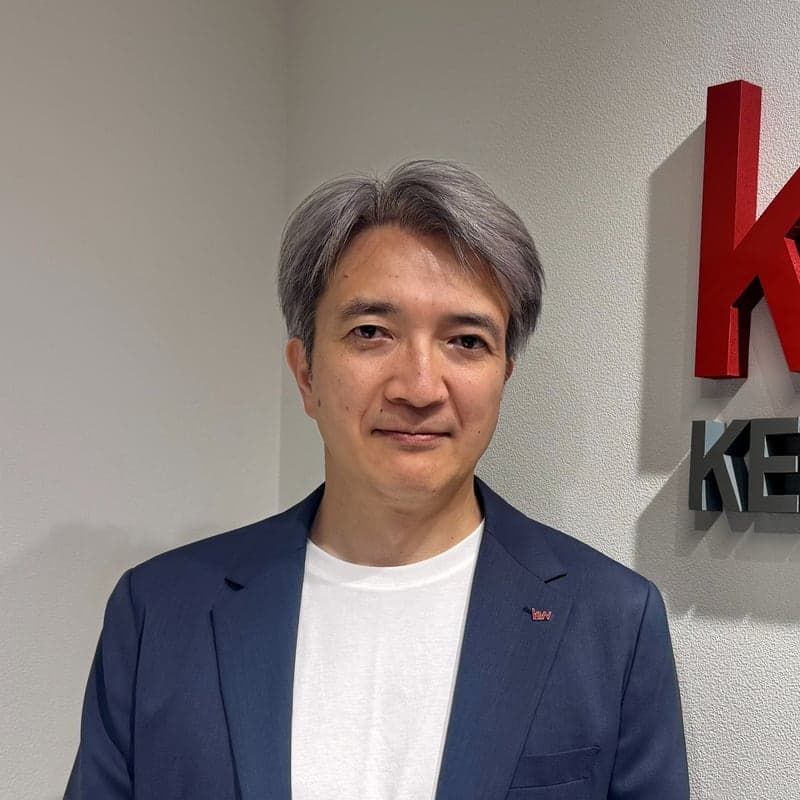
About the author
Yuichi Suzuki(鈴木 裕一)
Founder, Japan YES Property Management · Licensed 宅地建物取引士 (Saitama No. 087841) · Keller Williams Saitama agent
Yuichi helps overseas owners run their Japanese property from abroad — tax representative filings, mail scanning and translation, bill payments and coordination with local companies, in English and Chinese.
Company overviewPurchased Japanese Property from Overseas? Let Us Handle the Management.
Japan YES specializes in remote property management — tax representation (納税管理人), mail scanning & translation, utility payments, and local coordination.
Before you buy
Thinking about buying an akiya? Get the pre-purchase checklist.
The 10 checks that decide whether a ¥500,000 house becomes a ¥9 million one — written by a licensed Japanese real estate agent (宅地建物取引士). Free, no account needed.
More Articles
Local Agent Representation in Japan: What a "Registered Agent" Actually Means for Non-Residents
Japan has no single "registered agent" like the US. Instead the job is split into distinct roles — tax representative (納税管理人), domestic contact (国内連絡先), domestic manager (国内管理人). Which ones you need, what each covers, what they cost, and whether to find one yourself or use a service.
InvestmentThe Real Cost of Renovating an Akiya in Japan: Why the ¥1 House Isn't Cheap
Akiya are cheap to buy but expensive to fix — renovation routinely costs more than the purchase price. A 2026 breakdown of akiya renovation costs by work type, realistic full-renovation totals, and the true total cost of owning one from overseas.
InvestmentAkiya Fees for Foreign Buyers: What's Normal, What's a Red Flag
Cheap akiya, expensive fees. Japan legally caps agent commission — for properties ¥8 million or under, the maximum is ¥330,000 including tax. Here's what you should really pay when buying an akiya, and how to spot inflated 'consulting fees'.
Tax & ComplianceSelling a Property in Japan from Overseas: 4 Ways to Handle the Sale Remotely
You can sell Japanese property without living in Japan — but you have to decide how the paperwork gets signed. Compare the four realistic ways to handle a remote sale: flying in, power of attorney, an agent with mail-based signing, or a full-service specialist.