
Where to Buy an Akiya in Japan: How Regions Differ for Foreign Buyers
Key Takeaways
- Location changes an akiya purchase more than the price does: the same budget buys very different levels of risk depending on the region.
- In remote rural areas the house is nearly free but contractors are scarce, renovation costs more due to distance, and resale demand can be close to zero.
- Regional cities are usually the balanced choice — real infrastructure, available builders, and an actual rental and resale market — at higher purchase prices than the countryside.
- Kyoto is a special case: it received national approval for a vacant home tax (非居住住宅利活用促進税) aimed at non-occupied properties, so leaving a house empty there carries a specific cost.
- Wherever you buy, the obligations are national: a tax representative (納税管理人), a domestic contact, and maintenance duties that apply the same in a village and in a city.
Most akiya guides talk about price. In practice, where you buy decides far more than what you pay: whether a builder will take the job, whether the house can ever be rented or resold, and whether local rules make an empty house expensive to hold.
This guide compares the region types a foreign buyer actually chooses between. For the costs of making any of them habitable, see the real cost of renovating an akiya; for the purchase mechanics, see the step-by-step buying process.
First, what is the same everywhere
Some things do not change with the map, and they catch buyers who assume rural means unregulated:
- The ownership rules are national. No nationality restriction anywhere in Japan.
- The obligations are national. A tax representative (納税管理人), and the domestic contact (国内連絡先) asked for at registration, apply to non-resident owners regardless of prefecture.
- The neglect penalty is national. A poorly maintained vacant house can be designated 管理不全空家 and lose its residential land tax break, raising fixed asset tax up to six times — in a village exactly as in a city.
What changes by region is the economics: what it costs to fix, who will do the work, and whether anyone else will ever want the house.
Remote rural areas and depopulated villages
This is where the headline-grabbing listings live — houses for the price of a used car, sometimes free.
- Purchase price: the lowest in Japan, and often negotiable, because the seller mainly wants the tax and maintenance burden to end.
- Renovation: the most expensive per unit of work. Fewer contractors compete, travel time is charged, and materials have to come further. Long-empty rural houses also tend to need structural work rather than cosmetic work.
- Practicalities: septic rather than mains sewerage, well water in some areas, heavy snow loads in the north, and roads that a builder's truck has to reach.
- Rental and resale: usually very thin. Assume you are buying for use, not for exit.
- Local support: many depopulated municipalities actively want new residents and run akiya banks and support programmes — availability and conditions vary by municipality, so ask the town office directly.
Regional cities
Cities away from the largest metros — prefectural capitals and similar-sized towns — are where most foreign buyers end up once they have done the arithmetic.
- Purchase price: higher than the countryside, still far below Tokyo or Osaka.
- Renovation: cheaper and easier to arrange, because there are competing builders and suppliers nearby.
- Practicalities: mains water, sewerage, and gas are normal; hospitals, shops, and stations are within reach.
- Rental and resale: a real market exists, which is the single biggest difference from a rural purchase.
If you want the akiya to be an asset rather than a project, this is usually the balanced answer.
Kyoto: the one with its own vacant home tax
Kyoto deserves separate treatment. Alongside strict townscape and machiya preservation rules, the city received national approval for a vacant home tax (非居住住宅利活用促進税) aimed at properties that are not used as a residence.
- Holding an empty house there has a specific, deliberate cost — the policy exists precisely to discourage leaving property unoccupied.
- Traditional machiya renovation is specialist work, with conservation expectations that raise both cost and lead time.
- Demand is genuine, which supports resale — but the rules are the tightest of any region on this list.
Kyoto can be an excellent purchase. It is a poor choice for a buy-and-leave-empty strategy.
The big-city fringe: Osaka, Tokyo and their commuter belts
Genuine bargains inside the major metros are rare, but the commuter belts around them do have vacant houses.
- Purchase price: the highest on this list; a cheap listing usually signals a specific defect.
- Watch for the reason it is cheap: no legal road access, a plot where rebuilding is not permitted, an irregular shape, or a steep site. The pre-contract briefing (重要事項説明) is where these appear — read it carefully.
- Rental and resale: the strongest of any region, which is what you are paying for.
Resort areas
Ski and hot-spring towns — Niseko, Hakuba, Karuizawa, Hakone and similar — behave like their own market rather than like the akiya market.
- Prices in established international resorts are driven by foreign demand, not by depopulation, so "akiya bargain" pricing generally does not apply.
- Seasonal running costs are real: snow clearing, freeze protection, and closing the house between seasons.
- Short-term letting is regulated. If the plan is holiday rental, check the minpaku rules and any local restrictions before you buy — see our minpaku guide.
How to choose
| If your priority is… | Look at… | Accept that… |
|---|---|---|
| Lowest purchase price | Remote rural | Renovation costs more and resale is thin |
| Balance of cost and liquidity | Regional cities | You pay more up front |
| Culture and long-term demand | Kyoto | Strict rules and a tax on leaving it empty |
| Rental and resale strength | Metro fringe | Cheap listings usually hide a defect |
| Personal use in a resort | Resort towns | It is not really an akiya purchase |
Conditions, local support programmes, and municipal rules vary considerably between individual municipalities — confirm the specifics with the town or city office covering the property before you commit.
Managing it, wherever you buy
Whichever region you choose, the day-to-day reality of owning from abroad is identical: Japanese-language notices, tax deadlines, utilities, and a house that needs checking on. Japan YES acts as your tax representative (納税管理人) and Japanese contact address, scans and translates your mail, and pays bills on your behalf — nationwide, from ¥66,000/year (tax included).
Tell us which area you are considering and we will tell you what managing a property there actually involves, or compare plans.
Frequently Asked Questions
Where is the best place to buy an akiya in Japan?
It depends on what you want from it. Remote rural areas have the cheapest houses but the most expensive renovations and almost no resale market. Regional cities are usually the balanced choice, with available contractors and a real rental and resale market at higher purchase prices. Kyoto offers genuine demand but the strictest rules, and the big-city fringe has the strongest resale but few true bargains.
Why are rural akiya cheaper to buy but more expensive to renovate?
Fewer contractors compete for the work, travel time is charged, and materials have to be brought further. Long-abandoned rural houses also tend to need structural repair rather than cosmetic updates, and may rely on septic systems or well water. The result is that the lowest purchase price often comes with the highest total project cost.
Does Kyoto tax vacant homes?
Kyoto City received national approval for a vacant home tax (非居住住宅利活用促進税) aimed at properties not used as a residence. The policy is designed to discourage owners from leaving homes empty, so Kyoto is a poor fit for a buy-and-leave-empty strategy even though demand there is strong. Confirm the current details with the city, as local tax rules change.
Do the rules for foreign owners change by prefecture in Japan?
The core rules are national and do not change by region: there is no nationality restriction on ownership, non-resident owners need a tax representative (納税管理人) and a domestic contact (国内連絡先), and a neglected vacant house can lose its residential land tax break anywhere in Japan. What varies locally is support programmes, akiya bank conditions, and city-specific taxes such as Kyoto's.
Are akiya in ski resorts like Niseko a bargain?
Generally no. Established international resort areas are driven by foreign demand rather than depopulation, so prices behave like a resort market rather than the akiya market. Running costs are also seasonal — snow clearing and freeze protection — and if you plan to let the property short-term you need to check the minpaku rules and any local restrictions first.
Sources
This article is based on official Japanese government information.
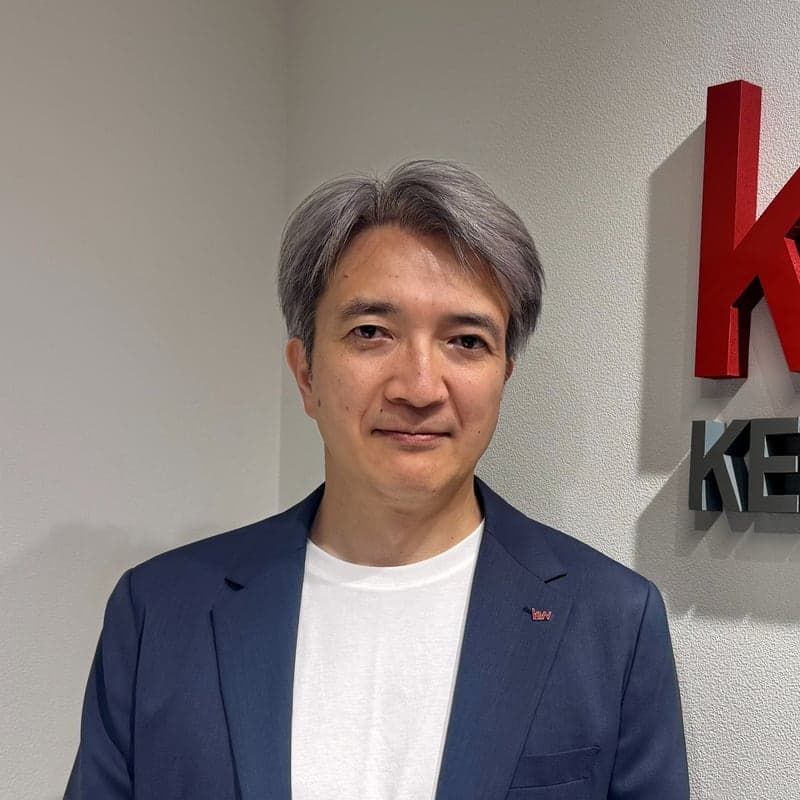
About the author
Yuichi Suzuki(鈴木 裕一)
Founder, Japan YES Property Management · Licensed 宅地建物取引士 (Saitama No. 087841) · Keller Williams Saitama agent
Yuichi helps overseas owners run their Japanese property from abroad — tax representative filings, mail scanning and translation, bill payments and coordination with local companies, in English and Chinese.
Company overviewPurchased Japanese Property from Overseas? Let Us Handle the Management.
Japan YES specializes in remote property management — tax representation (納税管理人), mail scanning & translation, utility payments, and local coordination.
Before you buy
Thinking about buying an akiya? Get the pre-purchase checklist.
The 10 checks that decide whether a ¥500,000 house becomes a ¥9 million one — written by a licensed Japanese real estate agent (宅地建物取引士). Free, no account needed.
More Articles
How to Buy an Akiya in Japan: The Step-by-Step Process for Foreign Buyers
Foreigners can buy Japanese vacant houses with no ownership restrictions — but the process runs on Japanese paperwork, a licensed agent's briefing, and a judicial scrivener. The full sequence from finding a property to the obligations that start the day you own it.
InvestmentThe Real Cost of Renovating an Akiya in Japan: Why the ¥1 House Isn't Cheap
Akiya are cheap to buy but expensive to fix — renovation routinely costs more than the purchase price. A 2026 breakdown of akiya renovation costs by work type, realistic full-renovation totals, and the true total cost of owning one from overseas.
Getting StartedLocal Agent Representation in Japan: What a "Registered Agent" Actually Means for Non-Residents
Japan has no single "registered agent" like the US. Instead the job is split into distinct roles — tax representative (納税管理人), domestic contact (国内連絡先), domestic manager (国内管理人). Which ones you need, what each covers, what they cost, and whether to find one yourself or use a service.
Getting StartedNo Reply from Japan? Why Japanese Companies Ignore Foreign Property Owners — and How to Get a Yes
Foreign and non-resident owners are often ignored or turned away by Japanese real estate agents, contractors, and offices. Here is why it happens (usually not discrimination), why silence often means no in Japan, and how a Japan-based representative turns a non-answer into a yes.